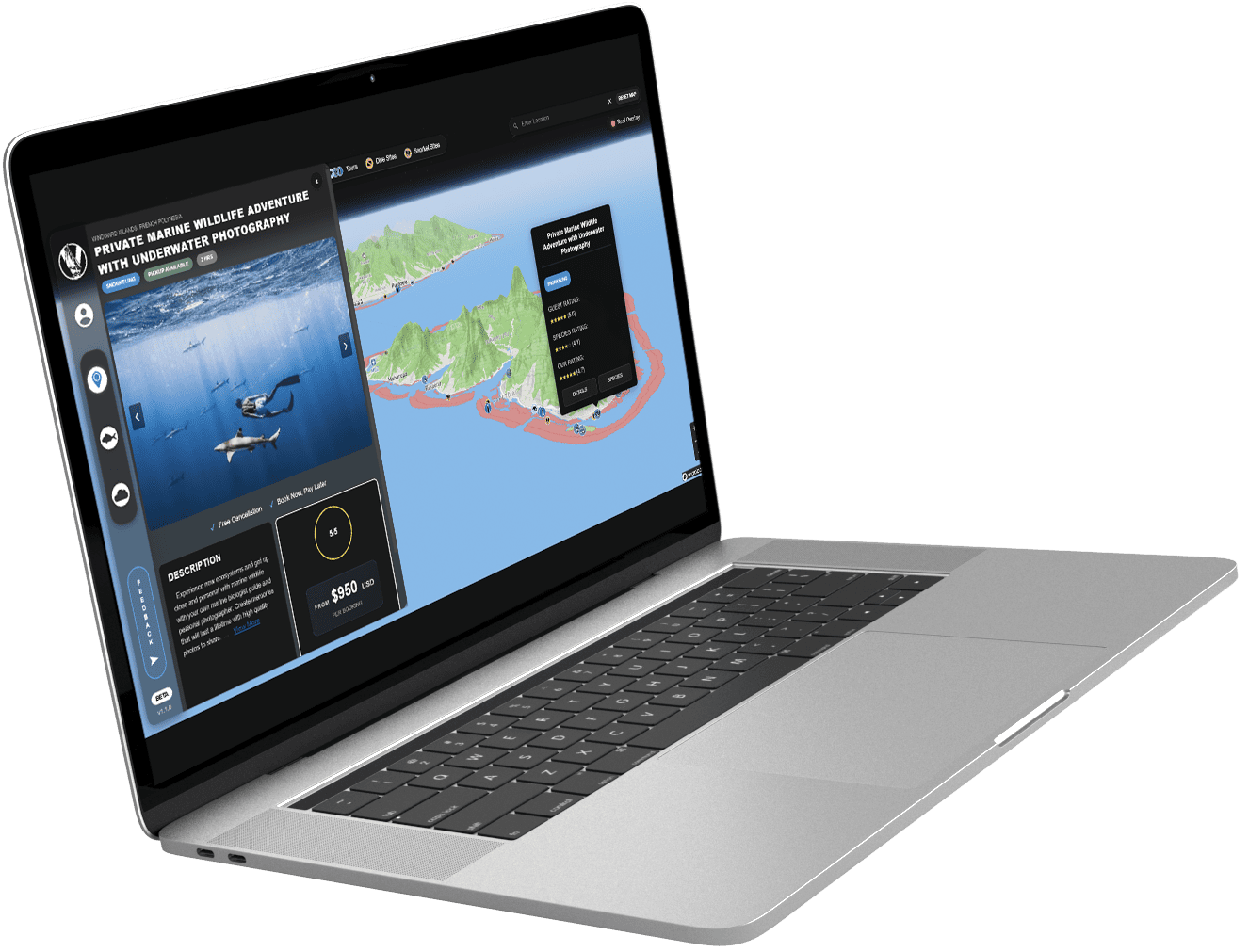
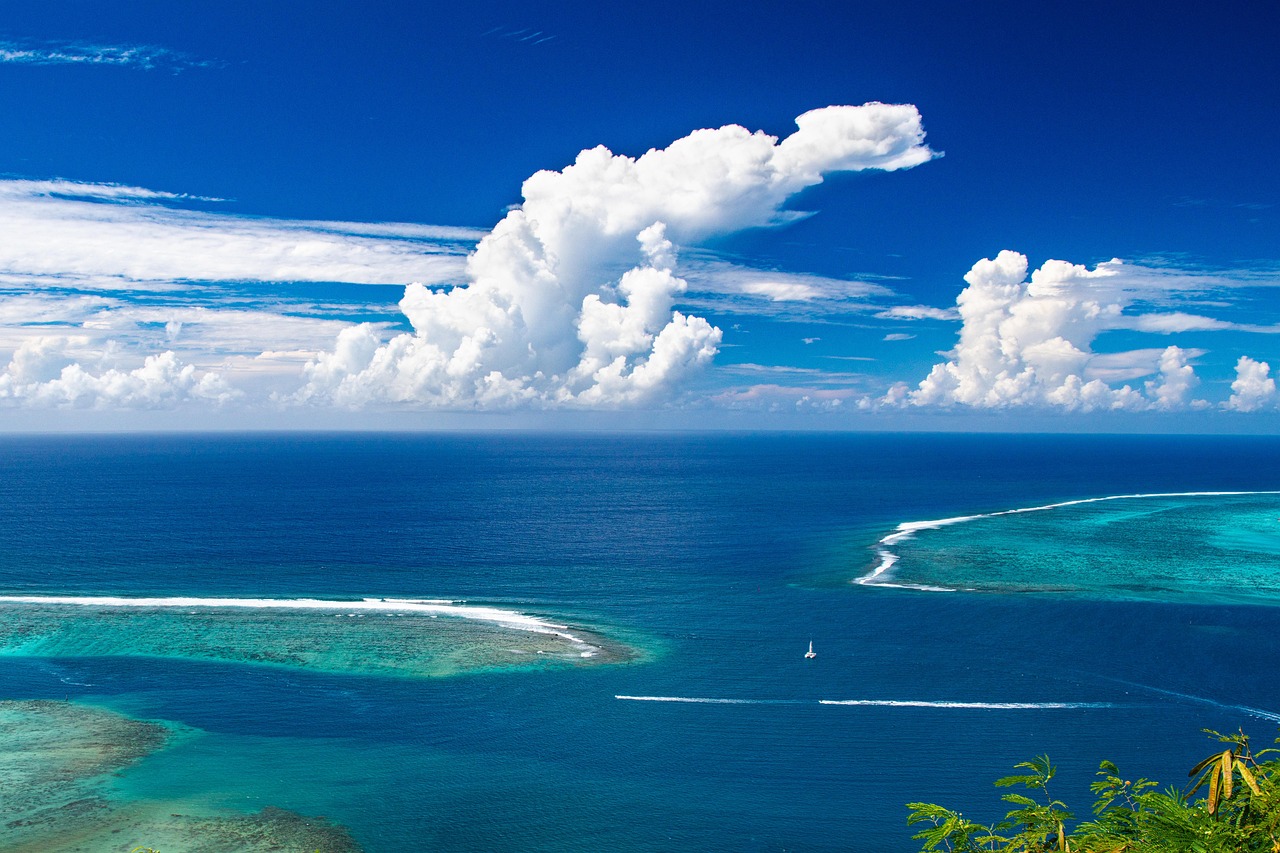
French Polynesia offers some of the most spectacular diving on Earth. The combination of crystal-clear water, massive shark populations and pristine coral atolls creates diving experiences that are difficult to match anywhere else. When people say "diving Tahiti," they usually mean the broader French Polynesian archipelago, which includes legendary destinations like Fakarava, Rangiroa and Moorea.
This guide covers the best scuba diving in the Tahiti region for 2026: which islands deliver the most impressive underwater experiences, what you'll see at each location, when to go and how to plan a multi-island diving trip.
Why French Polynesia Is a World-Class Diving Destination
French Polynesia consists of 118 islands spread across an ocean area the size of Western Europe. Most of these islands are coral atolls with deep passes connecting lagoons to the open ocean. These passes act as highways for marine life, creating natural aggregation points where pelagic species concentrate.
- Exceptional visibility. Water clarity regularly exceeds 40 meters (130+ feet). On good days, you can see 60 meters or more.
- Shark density. The Tuamotu atolls have some of the highest shark concentrations in the world. Hundreds of grey reef sharks in a single dive is normal at the best sites.
- Healthy reef systems. Remote location and limited fishing pressure have kept many reefs in excellent condition.
- Diverse experiences. From shark walls to manta cleaning stations to humpback whale encounters, the variety is exceptional.
- Year-round diving. Tropical conditions mean diving is good throughout the year, with seasonal highlights adding variety.
How This Guide Ranks Tahiti's Dive Destinations
Each location is evaluated on:
- Marine life: Shark numbers, species diversity, pelagic encounters
- Dive site quality: Visibility, coral health, topography
- Signature experiences: What makes this destination unique
- Accessibility: How easy is it to get there and dive
- Overall value: Is it worth the trip compared to alternatives
We'll count down from #5 to #1, ending with the single best diving destination in French Polynesia.
Get access to Tahiti dive spots and tour information first

#5 Bora Bora - Beautiful Lagoon, Modest Diving
Region: Society Islands, 50-minute flight from Tahiti
Bora Bora is the most famous island in French Polynesia, but it's not the best for diving. The lagoon is stunning, the overwater bungalows are iconic and the scenery is unmatched. Underwater, it's good but not exceptional compared to the Tuamotu atolls.
Why divers visit Bora Bora
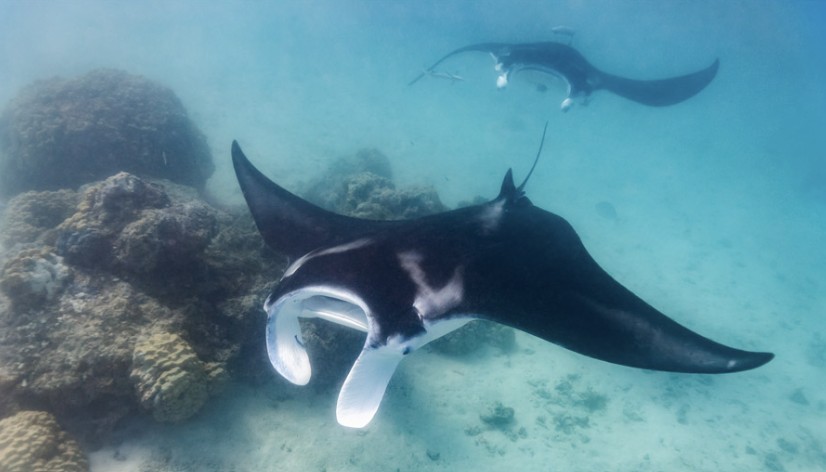
- Manta ray encounters at cleaning stations, especially at Anau.
- Lemon shark and blacktip reef shark sightings on most dives.
- Beautiful coral gardens inside the lagoon with excellent visibility.
- Easy diving conditions, suitable for all certification levels.
- Perfect for combining a luxury resort holiday with some diving.
What divers need to know
- Shark and ray encounters are less dramatic than at the Tuamotu atolls. Expect individuals or small groups, not walls of sharks.
- No real pass diving. The lagoon sites are pleasant but lack the current-driven action of Rangiroa or Fakarava.
- Bora Bora is expensive. Diving costs more here than at other French Polynesian destinations.
- Best combined with a honeymoon or resort stay. If diving is your primary goal, the Tuamotus are a better choice.
Best for: Divers on a luxury holiday who want some underwater time without making diving the focus.
#4 Tikehau - The Pink Sand Atoll with Excellent Sharks
Region: Tuamotu Archipelago, 1-hour flight from Tahiti
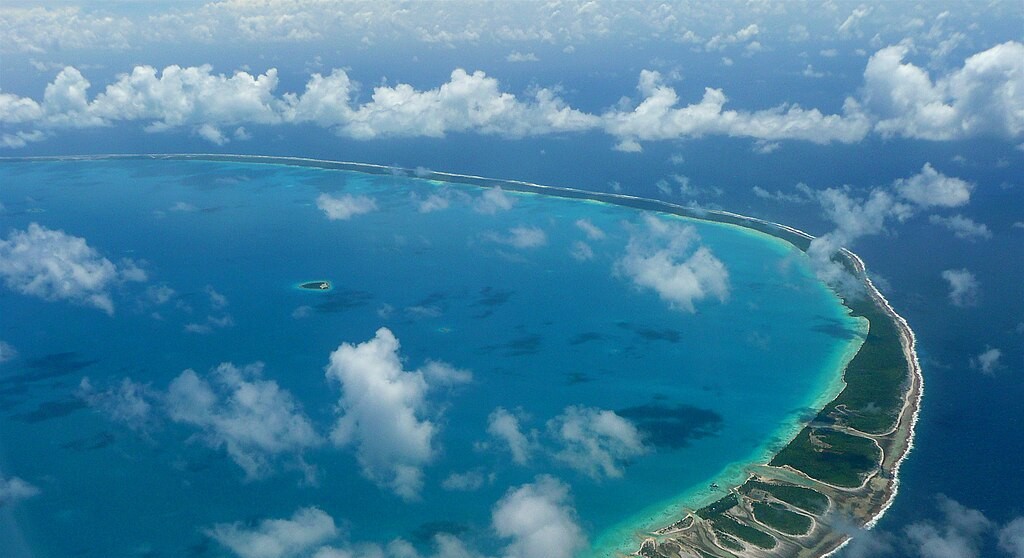
Tikehau is a small, quiet atoll known for its pink sand beaches and excellent shark diving. It's less developed than Rangiroa and gets fewer visitors, which means less crowded dive sites and a more intimate experience. The single pass (Tuheiava Pass) delivers consistent shark action.
Why divers love Tikehau
- Less crowded than Rangiroa or Fakarava. You might be the only boat at a dive site.
- Excellent grey reef shark populations. The pass regularly produces encounters with 50+ sharks.
- Manta rays visit the pass, especially during the cooler months (June to October).
- Beautiful, relaxed island atmosphere. Pink sand beaches, small pensions, minimal development.
- Good coral health inside the lagoon for second dives or snorkeling.
What divers need to know
- Only one pass means less variety than Fakarava or Rangiroa.
- Fewer dive operators. Book in advance, especially during peak season.
- Limited accommodation options. Don't expect luxury resorts.
- Current in the pass can be strong. Experience with drift diving is helpful.
- Excellent for a quiet, focused diving holiday away from crowds.
Best for: Divers who want quality shark diving without the crowds of more popular atolls.
#3 Moorea - Easy Access, Excellent Marine Life
Region: Society Islands, 30-minute ferry from Tahiti
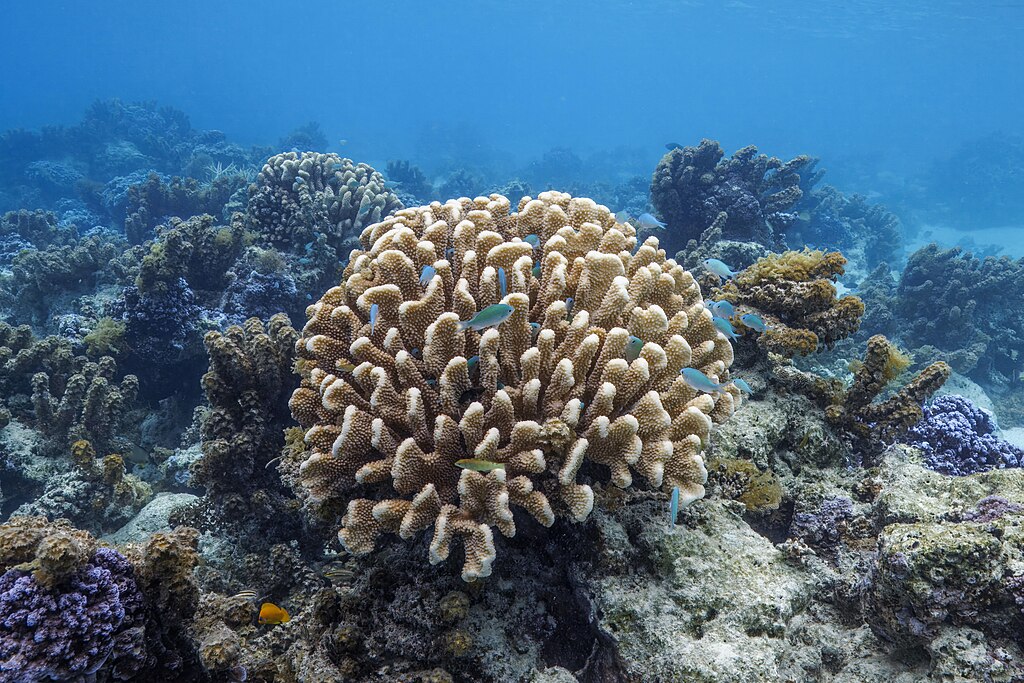
Moorea is the easiest high-quality diving destination to reach from Tahiti. A short ferry ride puts you on an island with dramatic volcanic scenery and surprisingly good diving. While it can't match the Tuamotu atolls for shark numbers, Moorea offers diverse marine life and reliable encounters in accessible conditions.
Why divers love Moorea
- Easy access. No flights required. Take the ferry from Papeete and you're diving the same day.
- Reliable shark and ray encounters. Lemon sharks, blacktip reef sharks and stingrays are seen on most dives.
- Humpback whale season. July to October brings humpbacks to Moorea's waters. In-water encounters are possible with licensed operators.
- Good variety of dive sites. From shark dives to coral gardens to wreck diving.
- Dolphin encounters. Spinner dolphins are frequently seen from boats and occasionally underwater.
What divers need to know
- Shark dives often use bait or feeding. If that bothers you, ask operators about their practices.
- Visibility is good but typically lower than the Tuamotus (20-30 meters vs 40+).
- No pass diving. The diving here is different in character from the Tuamotu atolls.
- Perfect for adding a few dives to a Tahiti trip without committing to a full diving expedition.
- Humpback encounters require booking with specific operators and aren't guaranteed.
Best for: Divers who want quality diving close to Tahiti, or those seeking humpback whale encounters in season.
#2 Rangiroa - Legendary Drift Diving at Tiputa Pass
Region: Tuamotu Archipelago, 1-hour flight from Tahiti
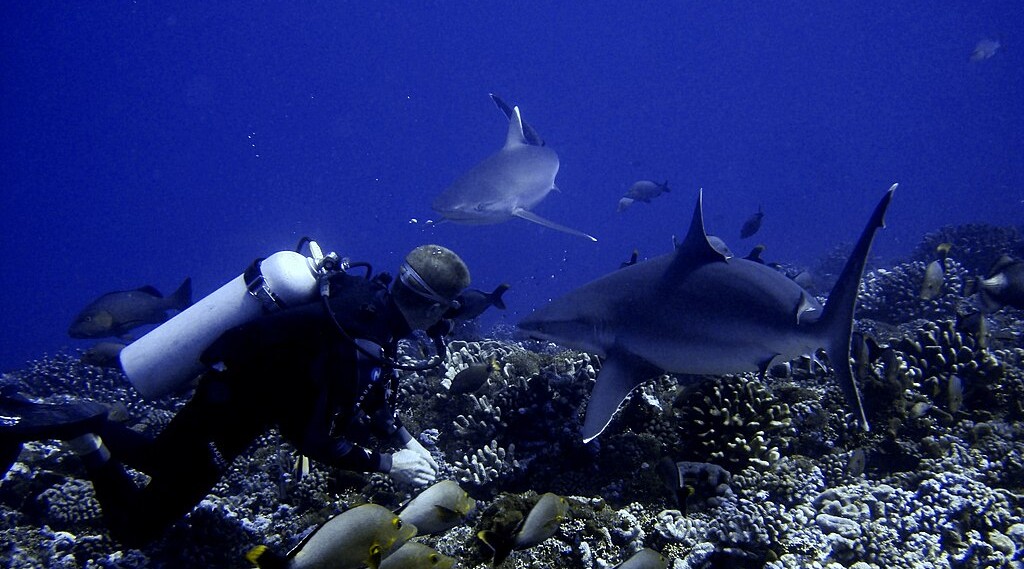
Rangiroa is one of the largest atolls in the world and home to Tiputa Pass, one of the most celebrated dive sites on Earth. The pass funnels massive volumes of water between the lagoon and ocean, creating a conveyor belt of marine life that has attracted divers for decades. This is drift diving at its finest.
Why divers love Rangiroa
- Tiputa Pass. This single dive site is reason enough to visit. Drift through a channel surrounded by grey reef sharks, silvertips and occasional hammerheads.
- Dolphin encounters. A pod of bottlenose dolphins lives in Tiputa Pass. Seeing them underwater while drift diving is magical.
- Shark variety. Grey reef sharks dominate, but silvertip sharks, hammerheads and occasional tiger sharks add diversity.
- The "Blue Lagoon." A natural pool inside the atoll offers beautiful snorkeling and relaxed second dives.
- Manta season. December to March brings manta rays to the passes.
What divers need to know
- Currents can be very strong. This is not beginner diving. You need to be comfortable in current and with drift diving techniques.
- Timing matters. Incoming currents (rising tide) generally produce better shark action at Tiputa.
- Two passes (Tiputa and Avatoru), but Tiputa gets most of the attention for good reason.
- More developed than Tikehau or Fakarava, with multiple dive operators and accommodation options.
- Can be combined with Fakarava for the ultimate Tuamotu diving trip.
Best for: Experienced divers seeking world-class drift diving and the chance to see dolphins underwater with sharks.
#1 Fakarava - The Shark Capital of the World
Region: Tuamotu Archipelago, 1-hour flight from Tahiti
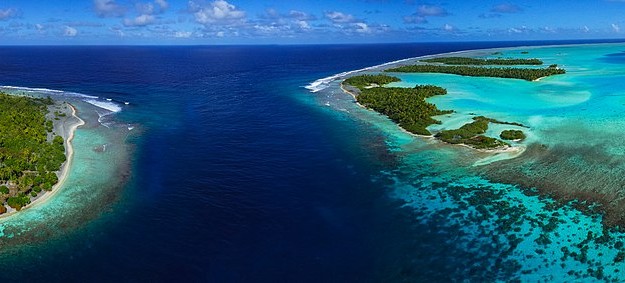
Fakarava is a UNESCO Biosphere Reserve and home to the most impressive shark aggregations in the world. The South Pass (Tumakohua) hosts hundreds of grey reef sharks that gather in densities seen nowhere else on Earth. For divers who want to be surrounded by sharks, this is the ultimate destination.
Why Fakarava is #1
- The Wall of Sharks. At the South Pass, grey reef sharks gather in staggering numbers. Counts of 300-700 sharks have been recorded. You don't look for sharks here. You're immersed in them.
- Two world-class passes. The North Pass (Garuae) is the widest atoll pass in French Polynesia, offering different character and excellent diving. The South Pass is the shark mecca.
- UNESCO Biosphere Reserve. Protected status means the marine life here is thriving. Fishing pressure is minimal.
- Exceptional visibility. 50-60 meter visibility is common. The water clarity makes the shark encounters even more dramatic.
- June-July spawning events. During grouper spawning, shark numbers at the South Pass reach their peak as predators gather for the feast.
- Relatively uncrowded. Despite its reputation, Fakarava remains less developed than Rangiroa. The experience feels more exclusive.
What divers need to know
- The South Pass is remote. It's a 1-hour boat ride from the main village. Many divers stay at a small pension near the South Pass for easier access.
- Night diving at the South Pass is legendary but intense. Hundreds of sharks hunting in the dark is not for everyone.
- Currents can be strong, especially at the North Pass. Drift diving experience is essential.
- Limited infrastructure. Accommodation is basic pensions, not luxury resorts. Come for the diving, not the amenities.
- June-July is peak season. Book months in advance if you want to see the spawning aggregation.
- The South Pass experience is genuinely unique. Nothing else in diving compares to being surrounded by that many sharks.
Best for: Any diver who wants to witness the most impressive shark aggregation on Earth. This is bucket-list diving.
Best Time to Dive in French Polynesia
Diving is good year-round, but seasonal highlights vary:
- June-July: Peak shark season at Fakarava during grouper spawning. The best time to see maximum shark numbers at the South Pass.
- July-October: Humpback whale season. Best for in-water whale encounters at Moorea and sometimes Rangiroa.
- June-October: Manta ray season at Tikehau. Better chances of manta encounters at cleaning stations.
- December-March: Manta rays at Rangiroa. Warmer water (28-29°C) but slightly reduced visibility due to plankton.
- April-May, September-November: Shoulder seasons with good conditions and fewer crowds.
Water temperature: 26-29°C (79-84°F) year-round. A 3mm wetsuit is sufficient for most divers. Some prefer a 5mm during the cooler months (June-September).
Planning a Multi-Island Diving Trip
Most serious diving trips to French Polynesia visit multiple islands. Here's how to structure it:
Classic 10-14 day itinerary
- Days 1-2: Arrive Tahiti, transfer to Fakarava (South Pass area). Dive the shark wall.
- Days 3-5: Fakarava diving. South Pass morning dives, North Pass for variety.
- Days 6-8: Fly to Rangiroa. Dive Tiputa Pass, chase dolphins and sharks.
- Days 9-10: Rangiroa continued, or add Tikehau for a quieter experience.
- Days 11-12: Return to Tahiti/Moorea. Optional humpback whale encounter (July-October).
- Days 13-14: Depart via Tahiti.
Logistics tips
- Inter-island flights are operated by Air Tahiti. Book early as popular routes fill up.
- Don't try to do too much. Island-hopping every day is exhausting. Plan 2-4 nights per destination.
- Dive operators can usually arrange accommodation and transfers. Use their local knowledge.
- Surface intervals are important at altitude. Leave 24 hours before flying between islands or home.
What to Bring
- 3-5mm wetsuit. Water is warm but multiple dives per day can leave you chilled.
- Reef hook. Essential for current diving in the passes. Most operators provide them, but check in advance.
- Dive computer with nitrox capability. Many operators offer nitrox, which extends bottom time on repetitive dives.
- Surface marker buoy (SMB). Required for drift diving. Bring your own to ensure you're comfortable with it.
- Camera with wide-angle lens. The shark encounters demand wide-angle. Macro is secondary here.
- Reef-safe sunscreen. Protect yourself and the reef.
Summary - Planning Your Tahiti Diving Trip
If you're planning scuba diving in French Polynesia for 2026:
- Best overall destination: Fakarava. The South Pass shark wall is unlike anything else in diving.
- Best drift diving: Rangiroa's Tiputa Pass. Legendary for good reason.
- Best easy access: Moorea. A ferry ride from Tahiti gets you quality diving.
- Best for avoiding crowds: Tikehau. Excellent sharks, minimal tourists.
- Best for combining with luxury travel: Bora Bora. Beautiful but not the top diving.
French Polynesia delivers diving experiences that rank among the best on Earth. The shark aggregations at Fakarava are genuinely unique. The drift diving at Rangiroa is world-class. If you're a diver who hasn't been to the Tuamotus, it belongs on your list.