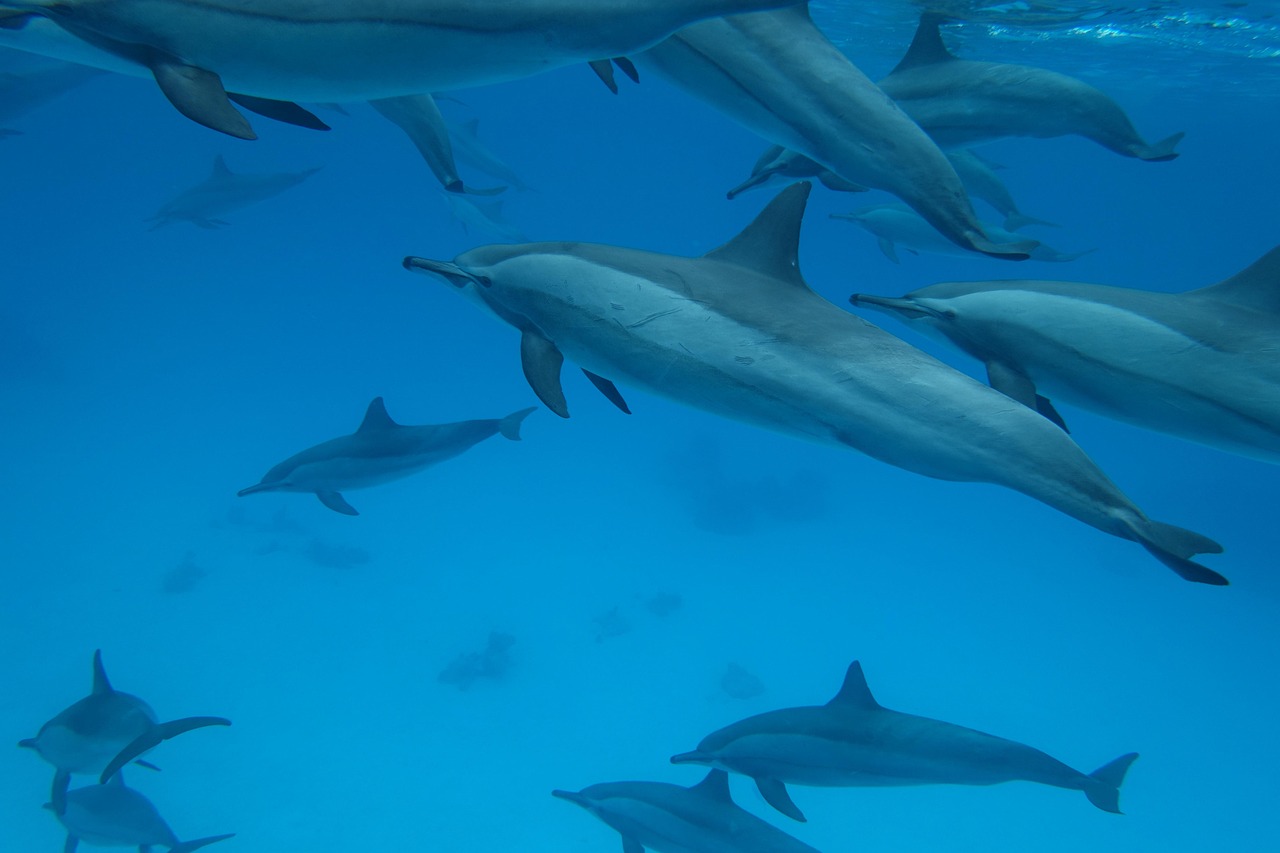
A great dolphin encounter depends on more than luck. The best destinations combine reliable year-round populations, clear water, well-regulated operators and a conservation-first approach that protects the animals you've come to see. That last factor has become increasingly important. Some locations offer boat-based viewing of huge wild pods, others allow carefully managed in-water encounters with specific species.
This guide ranks the best dolphin encounter locations for 2026: where to go, which species to expect, what kind of encounter is possible and how to travel responsibly. Each destination has been chosen for its combination of dolphin density, encounter quality and the availability of reputable operators.
What Makes a Great Dolphin Encounter Destination
Dolphins are found in almost every ocean on Earth, but the difference between a fleeting glimpse and a genuinely memorable dolphin encounter usually comes down to a few key factors.
- Resident populations. Sites with resident pods (dolphins that live in the area year-round) deliver the most consistent sightings.
- Water clarity. For in-water encounters, visibility matters enormously. The best locations routinely deliver 20+ meters of clarity.
- Species diversity. Some destinations host a single species, while others regularly produce encounters with five or more species in the same region.
- Operator quality. Licensed, well-regulated operators protect both the dolphins and the quality of the experience. This is the single biggest differentiator between a good and a poor encounter.
- Encounter type. Boat-based viewing, snorkeling with wild pods and scuba encounters each offer a very different experience. The best destinations support the format you're looking for.
How This Guide Ranks Dolphin Encounter Destinations
Each location is evaluated on:
- Consistency: How reliably do dolphin encounters occur across the season?
- Species and pod size: Diversity of species and typical numbers on an encounter
- Encounter quality: Clarity, duration and level of natural behavior observed
- Ethical operation: Regulation, operator standards and impact on the animals
- Accessibility: How straightforward it is to reach and book an encounter
We'll count down from #5 to #1, ending with the single best dolphin encounter destination for 2026.
Get access to dolphin encounter tours and location information first

#5 Zanzibar, Tanzania - Accessible Indian Ocean Encounters
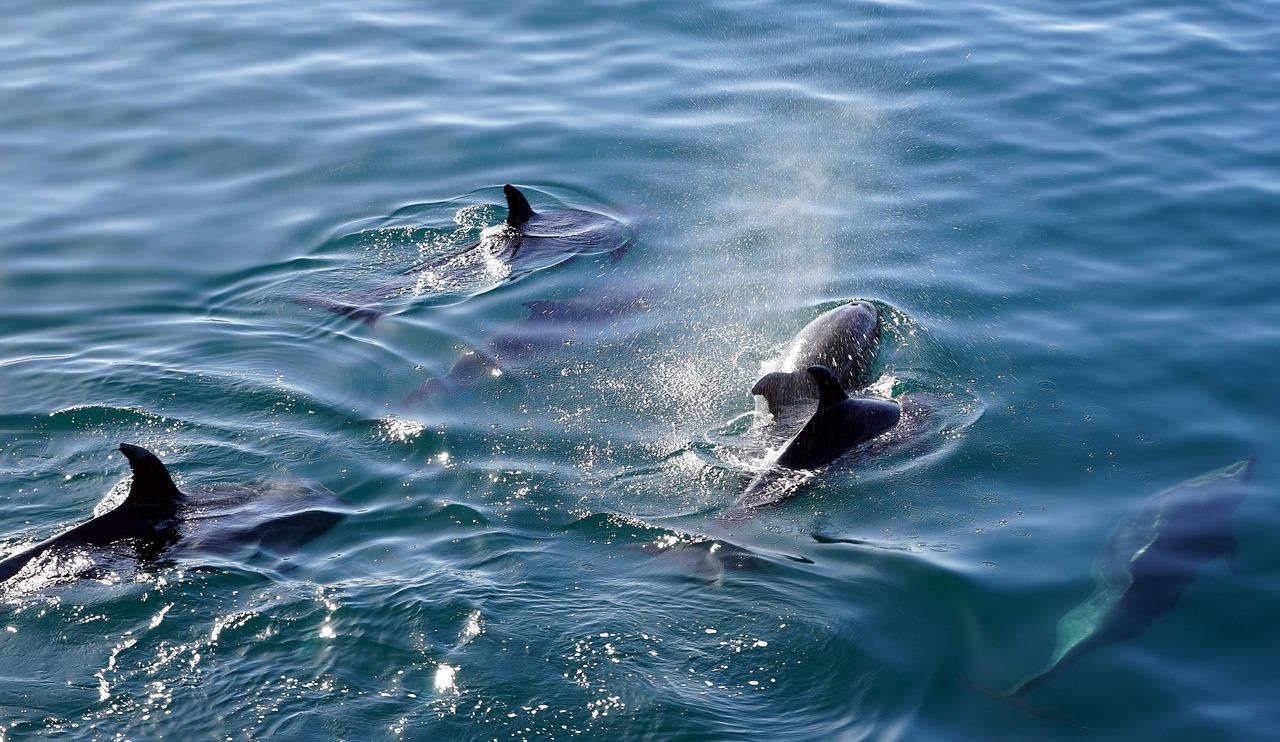
Region: Kizimkazi, southern Zanzibar, Indian Ocean
The waters off Kizimkazi on Zanzibar's southern coast are home to resident pods of bottlenose and Indo-Pacific humpback dolphins. Morning boat trips regularly locate pods within 20 to 30 minutes of leaving shore and some operators offer snorkeling when the dolphins are relaxed and receptive. Zanzibar makes the list for its accessibility and near-daily sightings, but it sits at #5 because operator standards vary and crowding at peak times can affect encounter quality.
Why travelers visit Zanzibar for dolphin encounters
- Resident bottlenose and humpback dolphin pods seen on most morning tours.
- Very affordable compared to other top dolphin destinations.
- Warm tropical water and strong year-round sighting rates.
- Easy to combine with a wider East Africa safari or beach holiday.
- Short boat rides from shore, suitable for travelers with limited time.
What travelers need to know
- Operator quality varies significantly. Choose licensed, conservation-focused operators to avoid overcrowded or high-pressure encounters.
- Peak tourist season can lead to multiple boats around a single pod, which disturbs the dolphins and reduces experience quality.
- Visibility is good but typically below the Azores or Bimini (10-20 meters).
- Avoid operators that chase or surround pods. A responsible encounter allows the dolphins to approach the boat on their own terms.
Best for: Travellers combining a beach holiday or safari with an accessible and affordable dolphin encounter.
#4 Egypt's Red Sea - Spinner Dolphins at Shaab Samadai
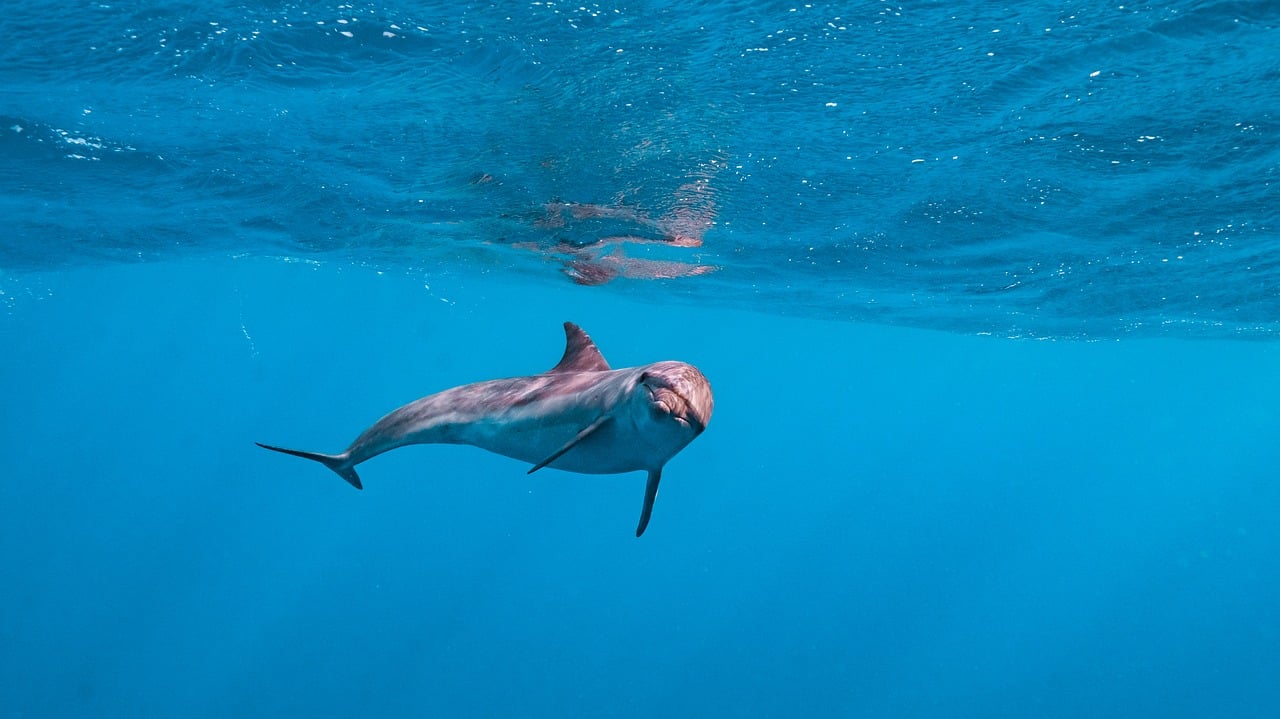
Region: Shaab Samadai and Sataya Reef, southern Egypt
Southern Egypt's offshore reefs host some of the most reliable spinner dolphin populations in the world. Shaab Samadai (often referred to as "Dolphin House") and the more remote Sataya Reef both serve as daytime resting areas for large spinner pods. Encounters are strictly regulated: snorkelers are permitted only in designated zones, while the core resting area remains off-limits. This balance between access and protection is what places the Red Sea at #4.
Why travelers visit the Red Sea for dolphin encounters
- Exceptional water clarity, frequently exceeding 30 meters.
- Large resting pods of spinner dolphins, often 50 to 200 animals in a single encounter.
- Well-regulated protected areas that prioritize the animals' welfare.
- Excellent complementary diving and snorkeling on some of the world's best coral reefs.
- Liveaboards make multi-day dolphin trips possible, particularly to Sataya.
What travelers need to know
- Access to Shaab Samadai requires a permit and is capped at a limited number of boats per day.
- Shaab Samadai is a long day-trip from Marsa Alam; Sataya Reef typically requires a liveaboard.
- Encounters are snorkel-only. Scuba diving in the dolphin zones is prohibited to avoid disturbing the pods.
- Travellers should choose operators that respect the no-entry core zone. Any operator that allows you into the resting area is acting outside the regulations.
- Best conditions are typically April to October, though dolphins are present year-round.
Best for: Snorkellers seeking large spinner dolphin pods in exceptional visibility, with strong protection in place.
#3 Kaikōura, New Zealand - Swimming with Dusky Dolphins
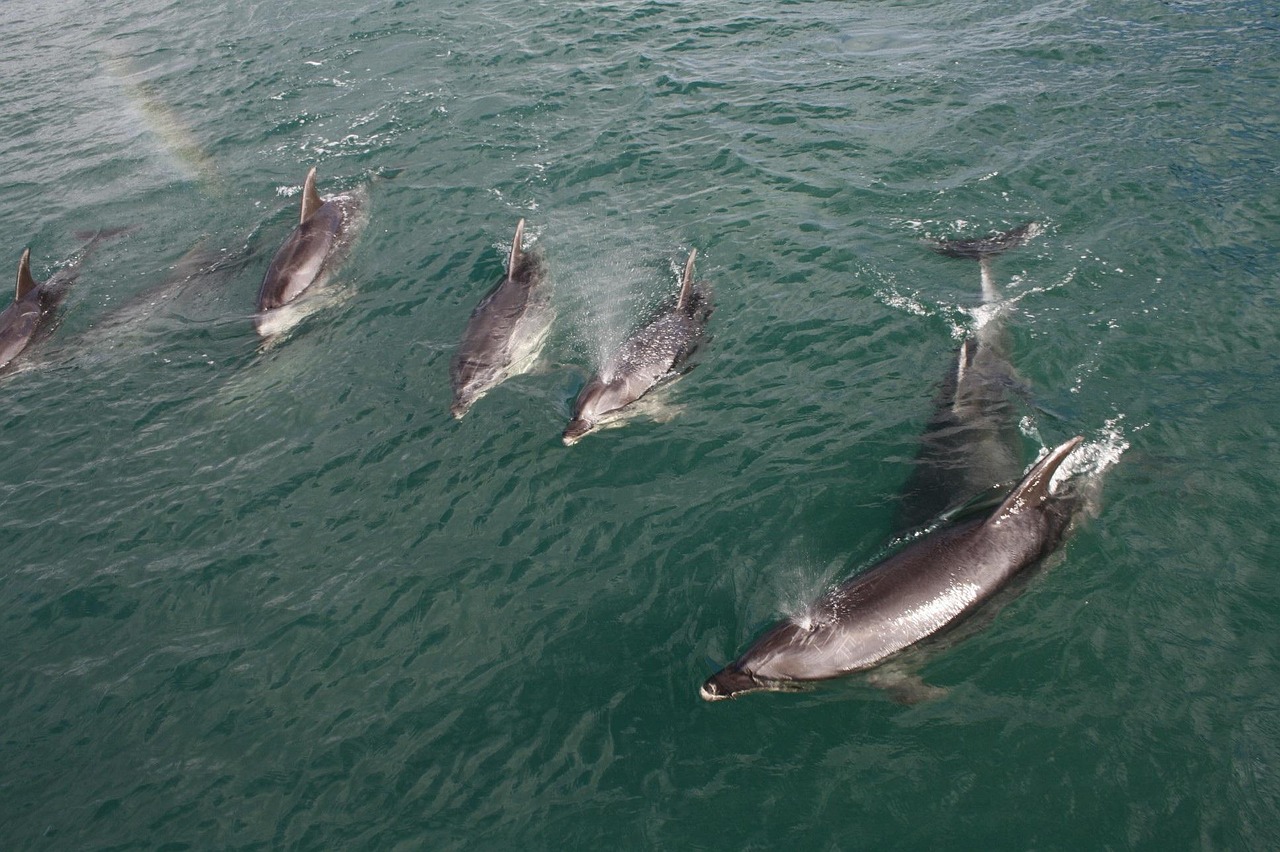
Region: Kaikōura, South Island, New Zealand
Few places on Earth can match Kaikōura for sheer dolphin numbers. The deep submarine canyon just offshore brings nutrient-rich water close to the coast, supporting enormous resident pods of dusky dolphins that commonly number in the hundreds and occasionally reach the thousands. Licensed operators run tightly regulated swim-with-dolphins tours in which snorkelers enter the water while the pod passes by, giving the dolphins full control over how much interaction takes place.
Why Kaikōura stands out
- Pods of 300 to 1,000+ dusky dolphins are regularly encountered.
- Strictly licensed operators with long-standing conservation credentials.
- Duskies are among the most acrobatic of all dolphin species, with frequent leaps and spins.
- Common, bottlenose and Hector's dolphins can also be encountered in the wider Kaikōura region.
- Spectacular mountain-to-ocean scenery complements the on-water experience.
What travelers need to know
- Water is cold. Operators provide thick wetsuits, but be prepared for sub-15°C water for much of the year.
- Swim tours are weather-dependent. Build flexibility into your trip in case of cancellations.
- Encounter time in the water is relatively short, but the density of animals during each swim is extraordinary.
- Pregnant or calving pods may trigger "viewing only" days, where tours run as boat-based encounters to protect the animals.
- Peak activity runs October to April, though dolphins are present year-round.
Best for: Travellers seeking the largest dolphin pods on the planet, delivered by tightly regulated operators.
#2 Bimini, Bahamas - Atlantic Spotted Dolphins in Gin-Clear Water
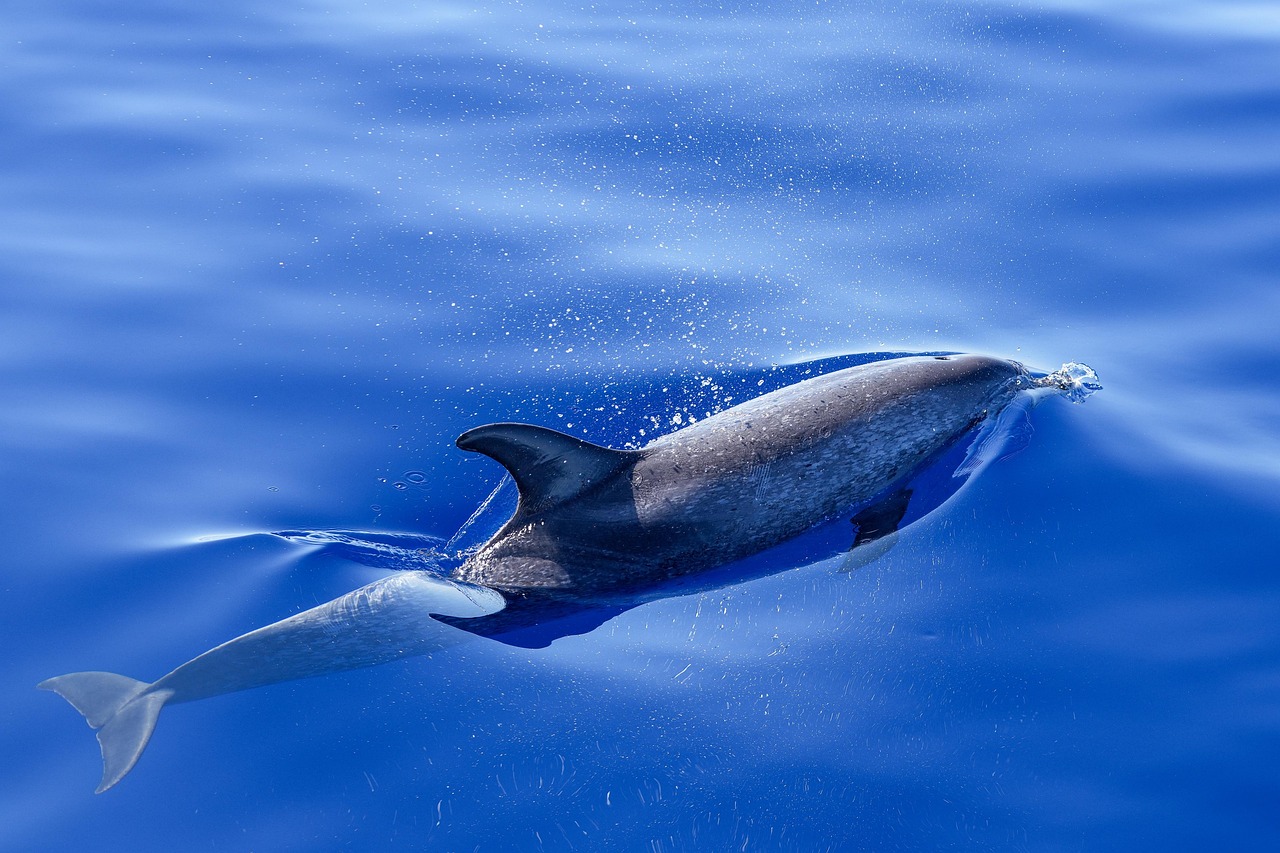
Region: Bimini and Little Bahama Bank, Bahamas
The shallow sand banks off Bimini are the definitive wild dolphin encounter destination in the Atlantic. Resident pods of Atlantic spotted dolphins (including inquisitive juveniles) routinely approach boats, interact with snorkelers and hold extended, natural encounters in water so clear it often exceeds 30 meters visibility. Multi-day liveaboard trips are the standard format, maximizing time on the banks during peak dolphin activity.
Why Bimini is #2
- Extended in-water encounters. Sessions commonly last 30 to 60 minutes as the dolphins choose to interact with snorkelers.
- Exceptional visibility. The white sand banks deliver some of the clearest water in the Atlantic.
- Resident pods. The same individual dolphins are seen across years, with researchers documenting lifelong relationships within the pods.
- Multiple species. Atlantic spotted dolphins are the headline act, but bottlenose dolphins are also regularly encountered.
- Freediving friendly. Shallow depths (3-10 meters) make Bimini ideal for freediving-based encounters.
What travelers need to know
- Liveaboard trips typically run 5 to 7 days. Day-trip options are far less productive.
- Peak season is May to September. Outside that window, sightings drop significantly.
- Operators follow a strict no-pursuit policy. If the dolphins choose not to engage, the boat leaves without pressuring the pod.
- Snorkel-only. Scuba diving is not used for dolphin encounters in Bimini.
- Book well in advance. The most respected operators fill up a full season ahead.
Best for: Snorkellers and freedivers seeking extended, natural in-water encounters with wild dolphins in exceptional visibility.
#1 The Azores, Portugal - The World's Best Dolphin Encounter Destination
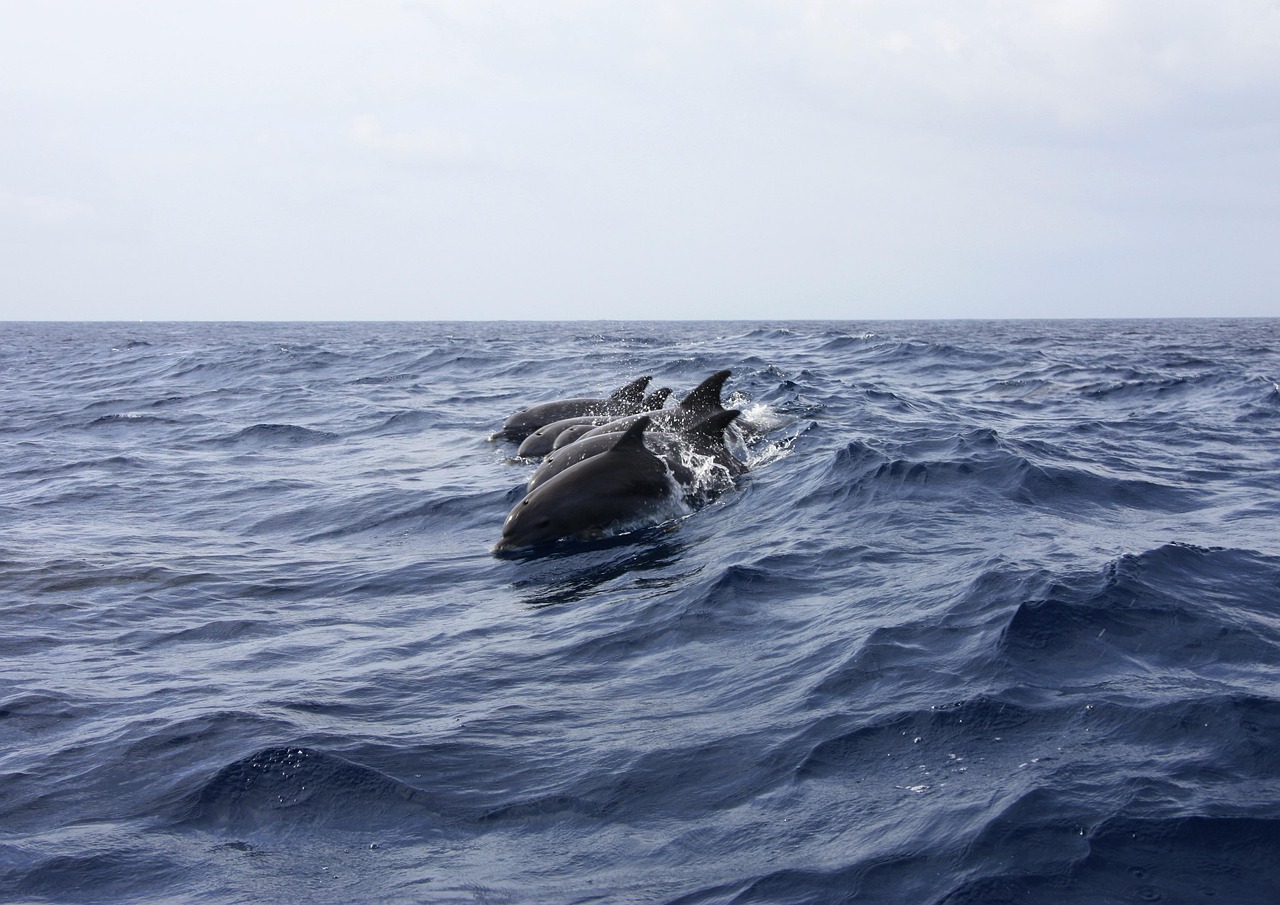
Region: Azores Archipelago, Portugal (mid-Atlantic)
The Azores combine more of the qualities that define a great dolphin encounter than any other destination in the world. Six dolphin species are encountered routinely across the archipelago: common, bottlenose, Risso's, striped, Atlantic spotted and rough-toothed. Year-round activity and some of the most professional, research-driven operators in the industry round out the picture. Whether travelers are looking for boat-based viewing or regulated in-water encounters, the Azores deliver consistently and ethically.
Why the Azores are #1
- Six regularly encountered species. Few regions on Earth offer this level of dolphin diversity in a single destination.
- Year-round sightings. Resident populations support strong encounter rates in every month of the year.
- Regulated in-water encounters. Licensed operators follow strict codes of conduct and in-water encounters are permitted only with receptive pods.
- Research-led operators. Many tour companies are partnered with marine research institutes, adding a strong educational dimension to each trip.
- Exceptional clarity. Deep offshore water produces visibility of 20 to 30 meters on most encounter days.
- Wider marine life. Sperm whales, pilot whales and seasonal blue and fin whales are frequently encountered on the same tours.
What travelers need to know
- Faial, Pico and São Miguel are the primary hubs for dolphin tours. Pico is particularly well regarded for species diversity.
- Sea conditions vary. Tours are weather-dependent and the best operators prioritize safety and animal welfare over guaranteed sailings.
- Water is cooler than tropical destinations. A 5mm wetsuit is standard for in-water tours.
- Peak season runs April to October, with May to September offering the calmest conditions.
- Operators are rigorously regulated by Portuguese marine authorities. Choose licensed operators with published codes of conduct.
- Tours regularly combine dolphin encounters with whale watching, making the Azores outstanding value for a marine wildlife trip.
Best for: Any traveller seeking the most complete dolphin encounter destination in the world, backed by strong regulation and species diversity.
Best Time for Dolphin Encounters
Dolphin activity is strong year-round at most of these destinations, but seasonal highlights vary:
- April to October: Peak dolphin encounter conditions across the Azores, the Red Sea and Bimini.
- May to September: Ideal window for Atlantic spotted dolphin encounters at Bimini.
- October to April: Highest dusky dolphin activity at Kaikōura, aligning with Southern Hemisphere summer.
- Year-round: Resident pods at Zanzibar, the Azores and the Red Sea remain active in every month.
- Avoid extreme weather windows: Atlantic winter storms and North African summer heat can both reduce tour availability.
How to Choose an Ethical Dolphin Encounter Operator
Dolphin encounters can be exceptional experiences or genuinely damaging to the animals, depending entirely on the operator. A few reliable indicators help identify responsible operations:
- Licensed and regulated. Operators should hold a current marine wildlife license from the relevant authority.
- Clear codes of conduct. Look for published rules on approach distance, boat behavior and in-water protocol.
- No feeding, chasing or cornering. These practices stress the animals and alter natural behavior.
- Voluntary encounters only. Reputable operators leave pods alone if the dolphins are resting, calving or uninterested.
- Limited group sizes. Smaller groups reduce disturbance and improve the encounter.
- Research partnerships. Many of the best operators collaborate with universities or marine institutes.
Planning a Dedicated Dolphin Encounter Trip
For travelers building a trip specifically around dolphin encounters, a few practical considerations apply:
Single-destination or multi-destination?
- Single destination: The Azores, Bimini and Kaikōura each support a full 5 to 10-day trip without needing to move on.
- Multi-destination: The Red Sea pairs naturally with a wider Egypt diving trip; Zanzibar combines with an East Africa safari.
Logistics tips
- Book tours for the first full day of your trip and keep at least one buffer day for weather cancellations.
- Liveaboard trips (Bimini, Red Sea) should be reserved 6 to 12 months in advance during peak season.
- Bring a mask with prescription lenses if needed. Poor visual clarity is the most common complaint from snorkelers.
- A simple underwater camera is sufficient. Wide-angle is best for capturing whole pods.
What to Bring on a Dolphin Encounter Trip
- 3-5mm wetsuit. Even in warmer destinations, extended snorkeling sessions can leave you chilled.
- Low-volume freediving mask and snorkel. Essential for relaxed, sustained encounters.
- Long fins. Efficient movement helps you stay with the pod without chasing.
- Reef-safe sunscreen. Important for the environment and for avoiding chemicals in the water.
- Action camera with wide-angle lens. Wide-angle captures pod behavior and context far better than a zoom lens.
- Binoculars for topside viewing. Useful during boat-based legs of the trip.
Summary - Planning Your Dolphin Encounter in 2026
If you're planning a dolphin encounter trip for 2026:
- Best overall destination: The Azores. Species diversity, ethical operators and year-round sightings make it unmatched.
- Best for extended in-water encounters: Bimini, Bahamas. Exceptional clarity and long, natural interactions.
- Best for sheer pod size: Kaikōura, New Zealand. Hundreds of dusky dolphins on a typical encounter.
- Best for regulated snorkeling with large spinner pods: The Red Sea, Egypt.
- Best accessible and affordable option: Zanzibar, Tanzania.
A dolphin encounter done right can be one of the most memorable marine wildlife experiences of a lifetime. Choosing the right destination (and the right operator) is what turns a good trip into a great one.