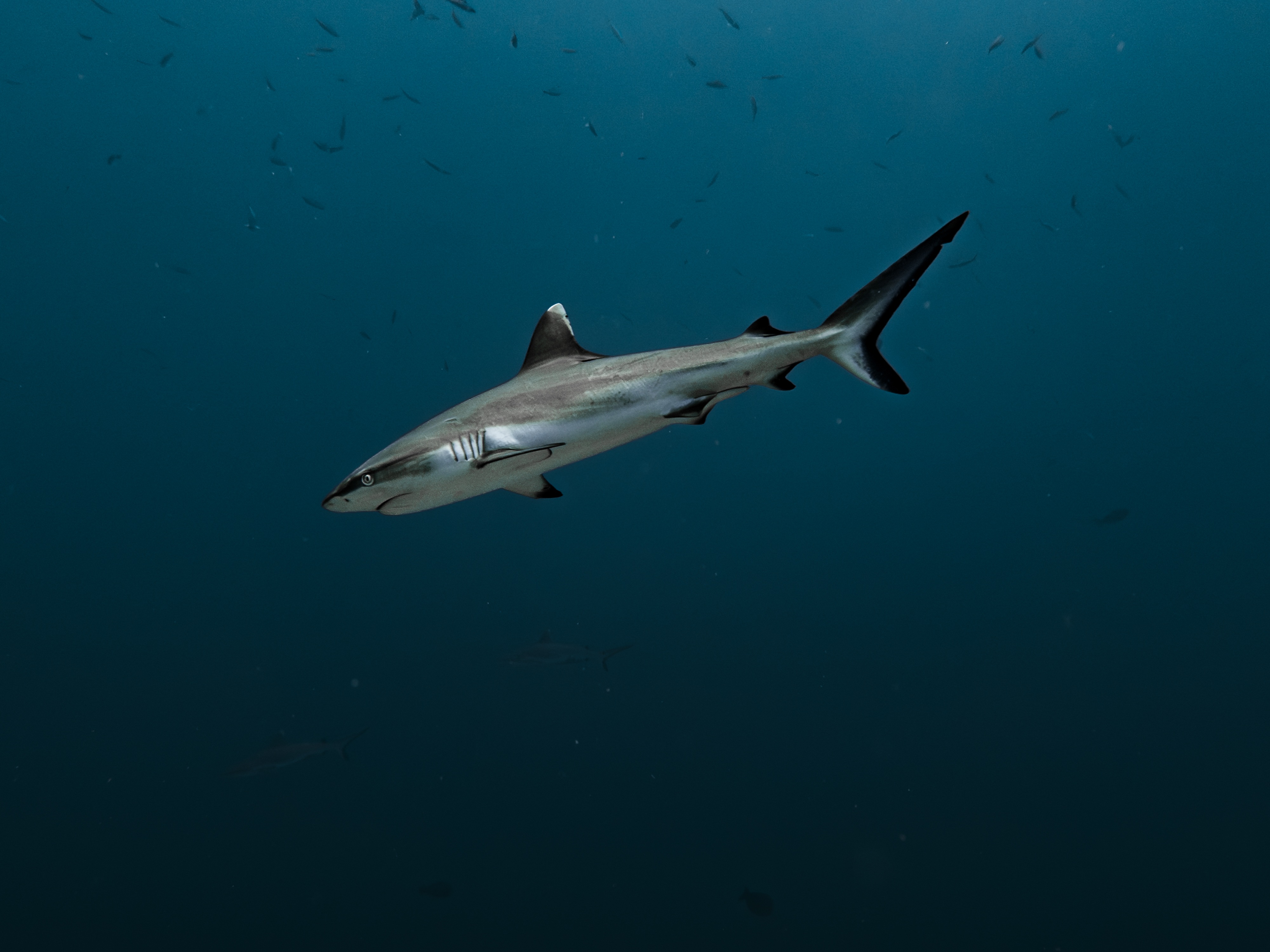
Cancun has more sharks than most visitors expect, and they show up in different places at different times of year. Nurse sharks rest on the shallow reefs off the hotel zone all year. Whale sharks gather in open water north of Isla Mujeres from early summer into September. Bull sharks arrive off Playa del Carmen in winter, and Caribbean reef sharks patrol the deeper walls, especially around Cozumel.
This guide covers the sharks you're most likely to see around Cancun in 2026: where each species actually is, what the experience is like for snorkelers and divers, and how El Niño can change your odds.
Which Cancun Sharks You're Likely to See
Cancun sharks are not one trip. Whale sharks, bull sharks, nurse sharks and Caribbean reef sharks show up in different places, in different months, and on different kinds of tours. Separating them first will save you from booking the wrong week.
- Whale sharks: Open ocean between Isla Mujeres and Isla Contoy, roughly June through September. These trips are snorkel only.
- Nurse sharks: Shallow reefs off the hotel zone, Isla Mujeres and Puerto Morelos. They are here year-round, and they are the species a typical snorkel is most likely to find.
- Caribbean reef sharks: Walls and reefs with current. Cozumel is the reliable day trip. Isla Mujeres is less consistent.
- Bull sharks: A scuba dive off Playa del Carmen from November through March. Most of the sharks are pregnant females, and the site is regulated.
Blacktip sharks sometimes pass through the shallows, especially younger ones. Lemon sharks are more common in the mangrove lagoons farther north, around Holbox. Tiger sharks and hammerheads live in the wider Caribbean, but sightings around Cancun are too rare to plan a trip around. If swimming with tiger sharks is the goal, start with the tiger shark guide.
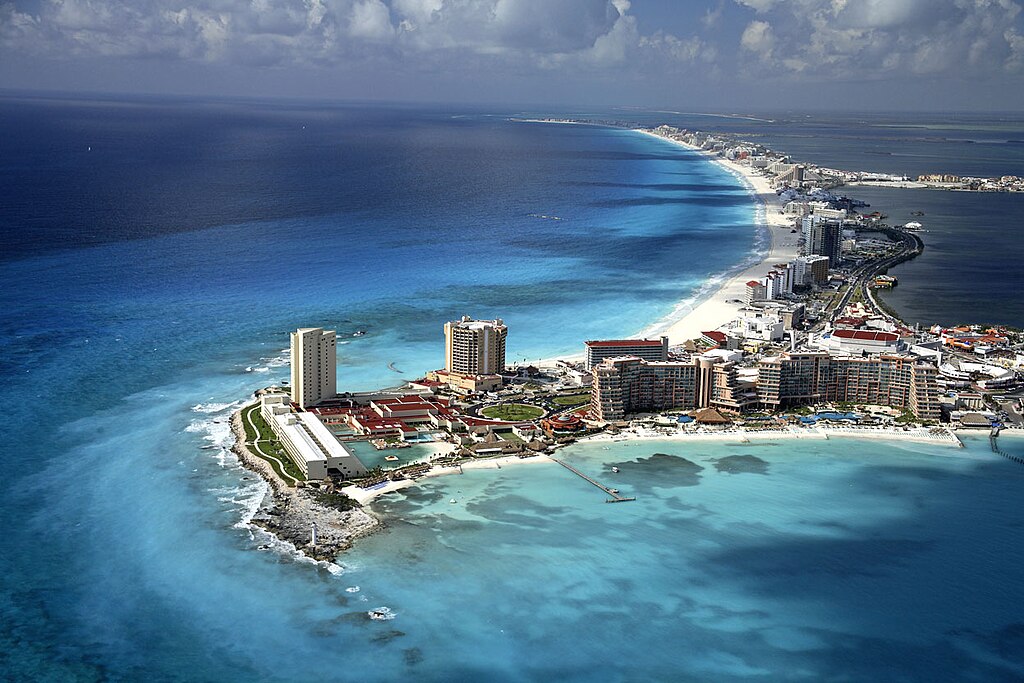
The water in front of the hotels is a shallow reef. That's where nurse sharks rest, usually under a ledge. Whale sharks are much farther offshore, in blue water, and every tour is a boat ride out to find them.
How El Niño Affects a Cancun Trip
El Niño is the warm phase of a Pacific climate pattern, and it still reaches the Caribbean. For a Cancun trip, that mainly affects summer weather and reef condition.
El Niño usually increases wind shear over the tropical Atlantic, which tends to quiet hurricane season. La Niña tends to do the opposite. If you're booking boats in summer, an El Niño year is often easier to plan around.
The heat is the bigger issue for the reef. The Caribbean is already warming, and a strong El Niño adds to that. In 2023 and 2024 that lined up with the worst coral bleaching on record for the Mesoamerican Reef, which runs past Cancun, Isla Mujeres and Cozumel. The 2024 Mesoamerican Reef Report Card found about 40 percent of surveyed corals affected, and coral cover fell from 19 percent to 17 percent. In the water that looks like pale coral, dead patches and more algae.
The effect is not the same for every species. Whale sharks come for a seasonal supply of food, so a hot year can change how many are feeding at the surface. Nurse sharks and Caribbean reef sharks live on these reefs year-round, so any change shows up later if the reef does not recover. Bull sharks in winter are here to give birth, and El Niño has little effect on whether that dive is worth booking.
Get access to Cancun shark seasons and marine life information first

Whale Sharks
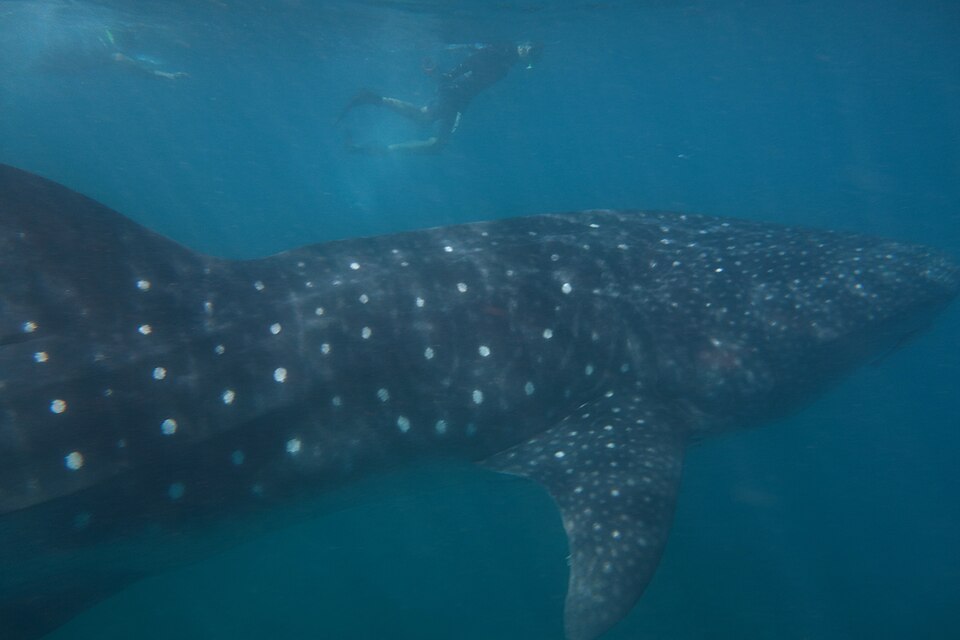
Whale sharks are what most people picture when they think of sharks in Cancun. They are filter feeders, easy to recognize by the white spots, and they can grow past 10 meters. They don't come for the resorts. They come for the food.
Two areas north of the city hold them in summer. Closer to Cabo Catoche, inside the Whale Shark Biosphere Reserve, the water is greener and shallower. The sharks there feed on zooplankton brought up by the Yucatan upwelling. Farther offshore, between Isla Mujeres and Isla Contoy, tour boats work a blue-water area known as El Azul, or the Afuera. The sharks there feed on little tunny eggs, which local crews often call bonito. That offshore area is where most Cancun and Isla Mujeres trips go. On a strong day, aerial surveys have counted hundreds of whale sharks together. When the food is scarce, the numbers drop sharply.
CONANP sets the official season each year. It usually runs from about mid-May through mid-September, and July is the month most operators treat as the peak. Isla Mujeres is the shortest boat ride to El Azul. Holbox is the better base if you want the inshore aggregation near Cabo Catoche. Leaving from a Cancun marina is convenient, but you'll spend longer on the boat.
What snorkelers need to know
- The encounter is snorkeling only. Scuba is not allowed.
- A life jacket is required, and guests enter in pairs with a guide.
- Do not touch the shark, try to ride it, or swim across its mouth. Give the tail plenty of room.
- Flash photography is not allowed. A rash guard is better than a heavy coat of sunscreen.
- Licensed boats carry a permit. Confirm the operator has one before you book.
A strong El Niño year makes this trip less predictable. Whale shark numbers here follow the food. Researchers working this aggregation have found that zooplankton and fish-egg density determine how many sharks are feeding at the surface. Warmer surface water and a weaker Yucatan upwelling can reduce that food supply, so sharks may feed deeper, shift farther offshore or gather in smaller groups. Quiet days happen in ordinary years too. In an El Niño summer, leave a spare day or two so one slow morning doesn't end the trip.
Departure points, timing and what a full tour day feels like are covered in the whale shark snorkeling Cancun guide.
Best for: Summer visitors who can set aside a full day on the water.
Bull Sharks
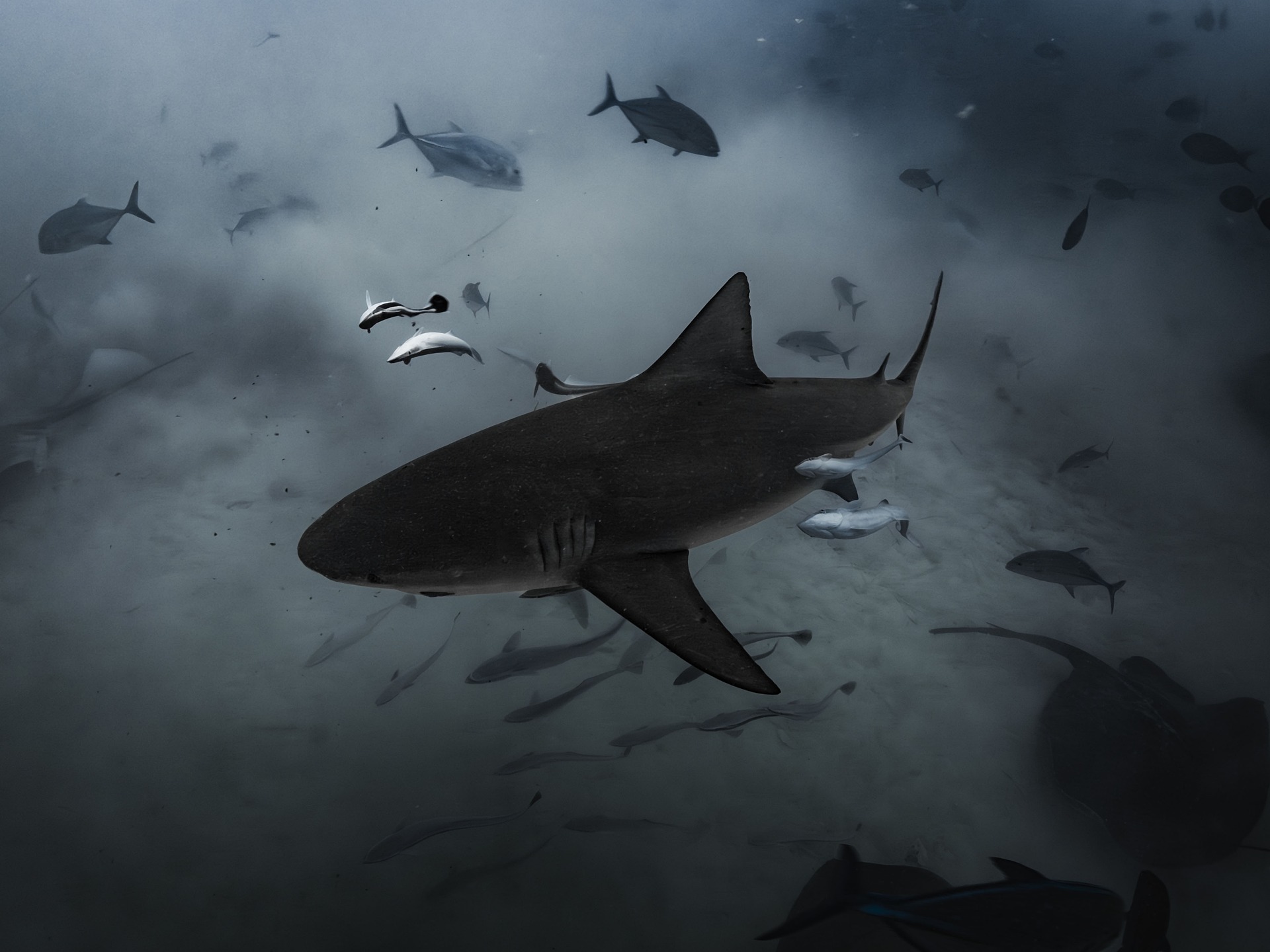
Bull sharks around Cancun are a winter scuba dive off Playa del Carmen. You will not see this aggregation from the beach.
From November through March, pregnant females gather in a small zone of the Mexican Caribbean Biosphere Reserve just off Playa del Carmen. Operators run the season from November 1 through March 31, and a few sharks sometimes remain into April. The site is a short boat ride from shore, on a sand patch about 24 meters deep. Males are largely absent during these months. The females are here through the pupping season.
What divers should know
- Boats need permission to dive inside the reserve. Some shops are allowed to use a small amount of bait. Others may only observe. Ask which type of dive you are booking.
- A full dark or neutral wetsuit is standard, and the group stays together on the bottom.
- Do not touch the sharks. Bottom time is kept short.
- Open Water is the usual minimum. Many shops require a recent dive, or a checkout dive, before confirming a spot.
- This site is not part of a hotel-zone snorkel.
Swimming at the Cancun beaches is still a normal part of the trip. The same habits apply anywhere sharks live: avoid dawn and dusk swims next to boats that are cleaning fish, and stay calm if you see a fin.
El Niño has little effect on the timing of this dive. These sharks are here to pup, not to follow plankton. A warmer winter might shift the start or end of the season by a week or two, but it will not move the aggregation into summer. Over many years, hotter and saltier water in the coastal lagoons where the pups grow up does put pressure on young bull sharks. You won't see that from the boat.
Best for: Certified divers who can visit between November and March.
Nurse Sharks
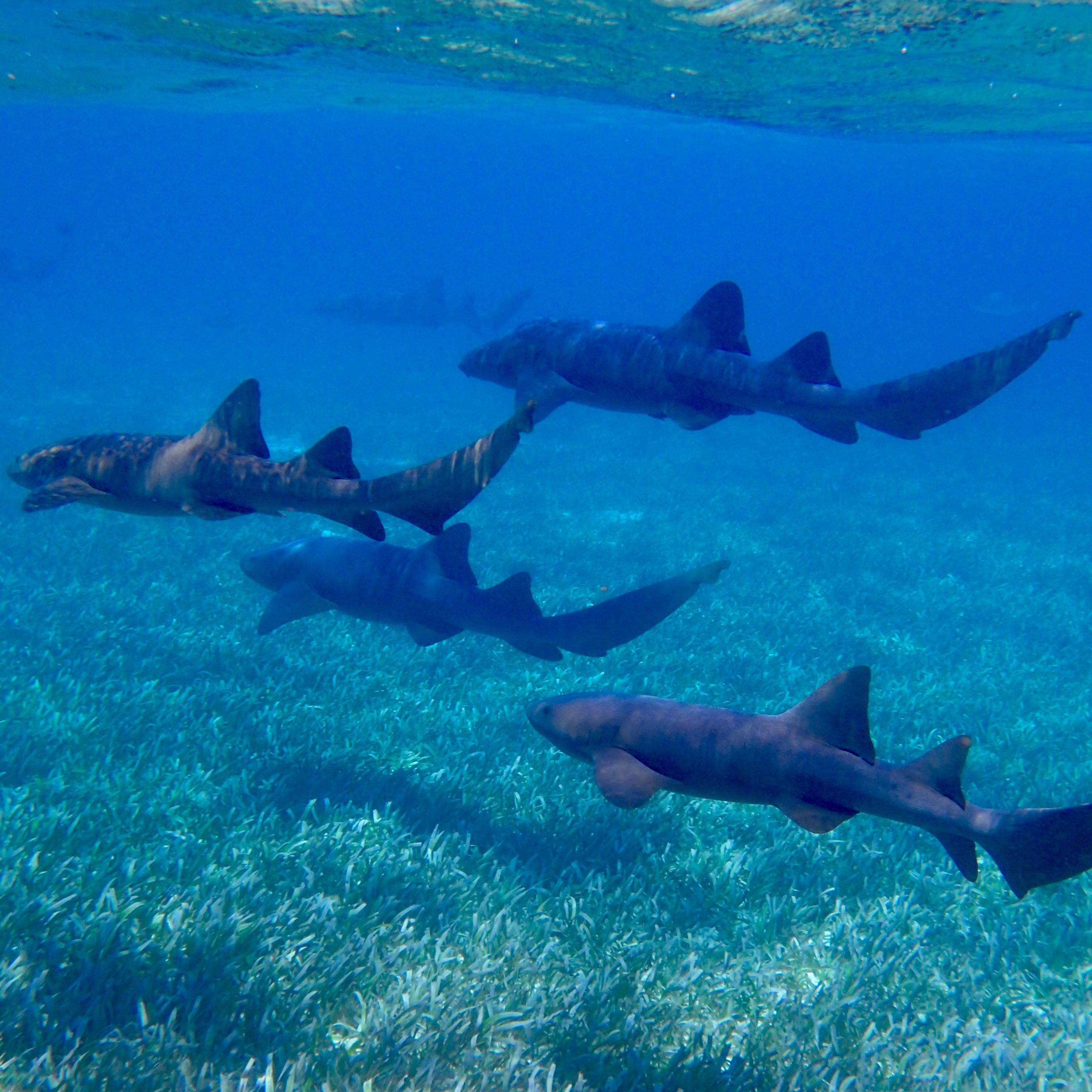
Nurse sharks are the species most snorkelers meet without booking a dedicated shark tour. During the day they rest under ledges, in cuts in the reef, and sometimes against the statues at the underwater museum off Isla Mujeres. At night they hunt along the bottom for crabs, snails and small fish. You can pick them out by the whisker-like barbels beside the mouth, and by the two dorsal fins set far back on the body. Large adults can reach about 3 meters, though the ones under a Cancun ledge are usually smaller.
They look docile, but a nurse shark that is grabbed or stepped on will bite. Stay off the coral, watch from above, and leave a resting shark alone.
Where snorkelers find them
- Isla Mujeres: Manchones and the other shallow reefs. This is the most reliable easy snorkel.
- Hotel zone: Punta Nizuc and the reef just off the beaches. Easy to reach, often more crowded, and the reef is in poorer condition.
- Puerto Morelos: Quieter, and the reef is often in better condition than the ones directly in front of the hotels.
Nurse sharks live here all year, so an El Niño season does not send them away. What it can change is the reef they rest on. Bleaching and coral disease remove ledges and overhangs. After the heat in 2023 and 2024, nurse sharks are still found on whatever structure remains, including artificial reefs. If those reefs continue to flatten, daytime sightings become less reliable. That is a change measured in years, not across a single trip.
Best for: Snorkelers on a standard reef trip who look under the ledges.
Caribbean Reef Sharks
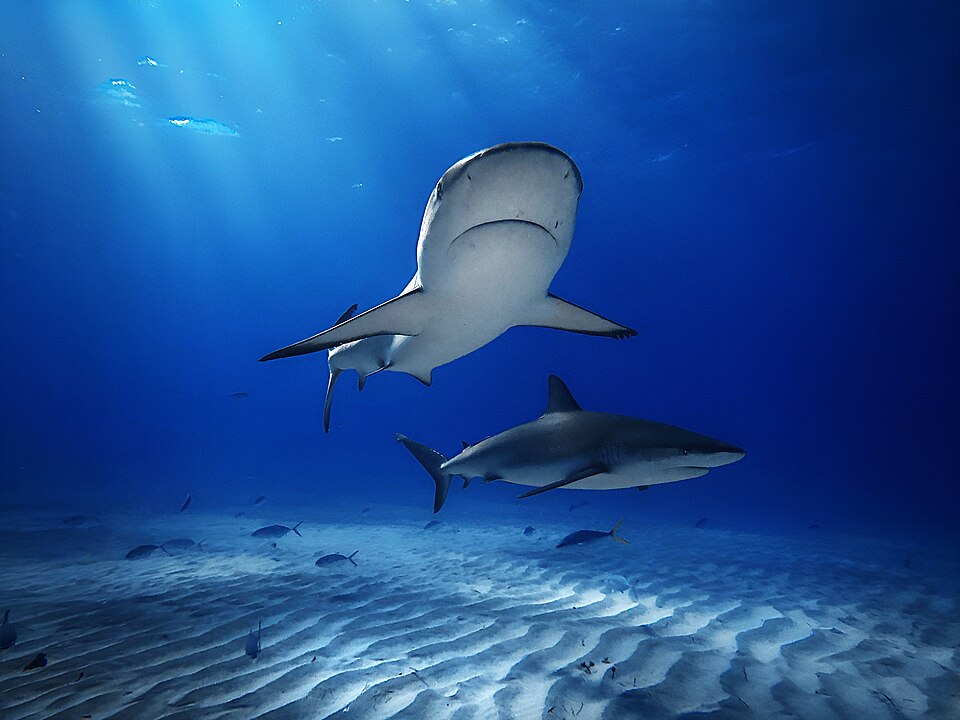
Caribbean reef sharks are the grey sharks most often seen along a wall, usually alone or in a small group where the current runs. Isla Mujeres produces them on the outer reefs on some days and not on others. A snorkel off the hotel zone rarely produces one.
Cozumel is the more reliable day trip from Cancun for this species. Drift dives at Palancar, Santa Rosa and Columbia follow the wall where these sharks patrol. The Cozumel snorkeling guide covers those sites. A sighting is a realistic bonus on those dives, not a guarantee.
Isla Mujeres also has an older dive where Caribbean reef sharks rest inside caves. Freshwater seeping through the rock lowers the oxygen and leaves the sharks sluggish, which is why divers started calling them sleeping sharks. Ramón Bravo found the caves, and Cousteau later filmed them. It's a scuba dive, the sharks aren't always there, and the current can be strong. Book it only with a guide who regularly runs that site.
Caribbean reef sharks are listed as Endangered, mostly because of fishing. A single hot summer will not remove them from the wall. The longer risk is the same bleaching that damages nurse shark habitat. If the reef loses the fish these sharks hunt, fewer of them remain. That decline plays out over years.
Best for: Divers and confident snorkelers who can make the trip to Cozumel.
Other Sharks in These Waters
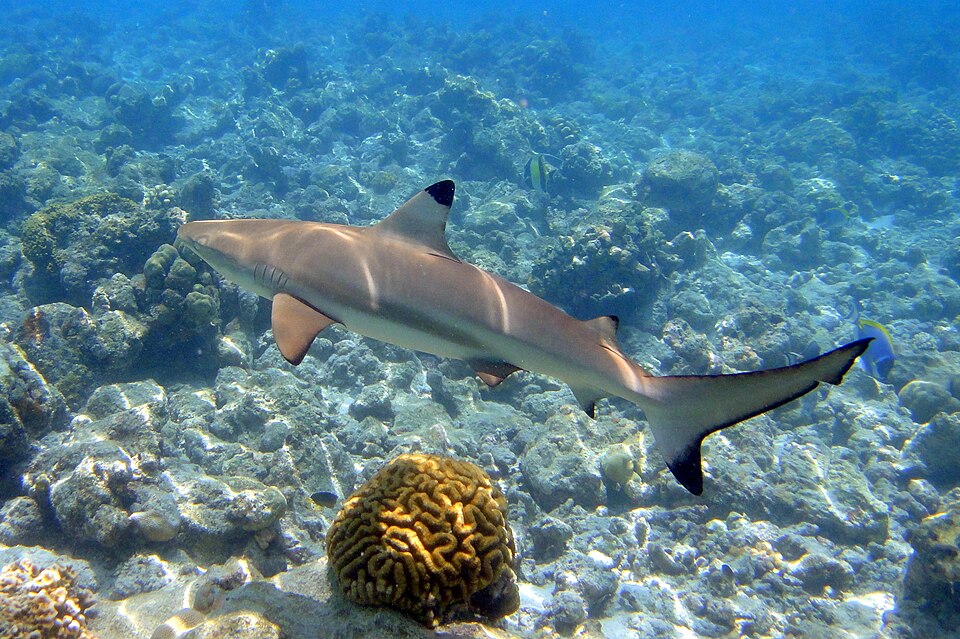
Blacktip sharks use the shallows too, especially younger animals. A small dark fin seen from the beach is far more likely to be a blacktip than a bull shark. There is no season to book, and El Niño does not change the odds in a way you can plan for.
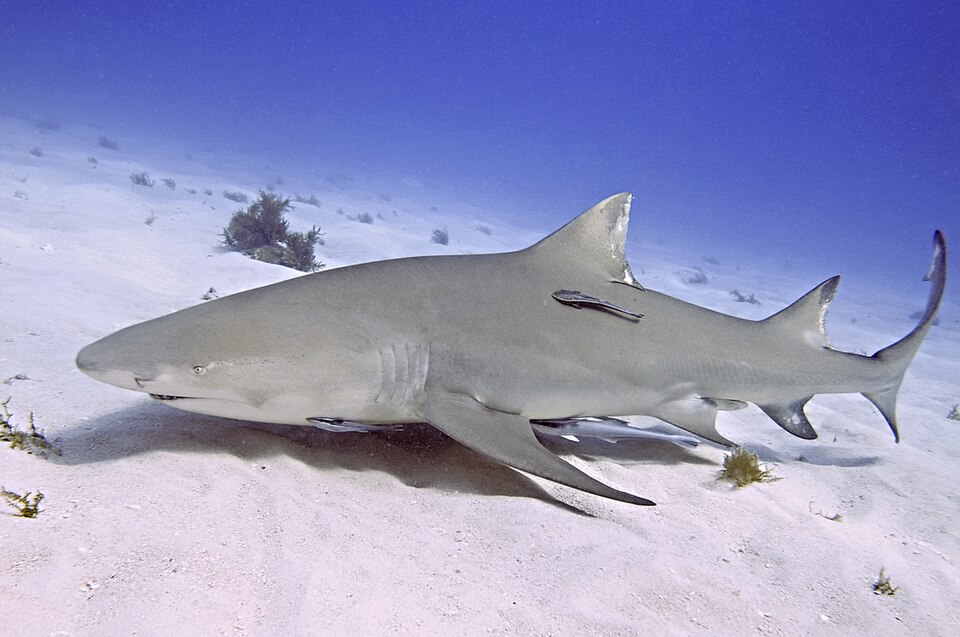
Lemon sharks are tied to mangrove creeks along the northern Yucatan, including the coast around Holbox. Juveniles grow up in that shallow water. Adults appear on coastal dives from time to time, but they are not a regular sighting on a Cancun snorkel boat. This is one case where El Niño can matter, even if visitors won't see the effect directly. El Niño summers in the Caribbean tend to be hotter and drier, and a dry stretch can heat those nursery creeks and make them saltier. That stresses the juveniles. It does not change what you'll see from the hotel beach.
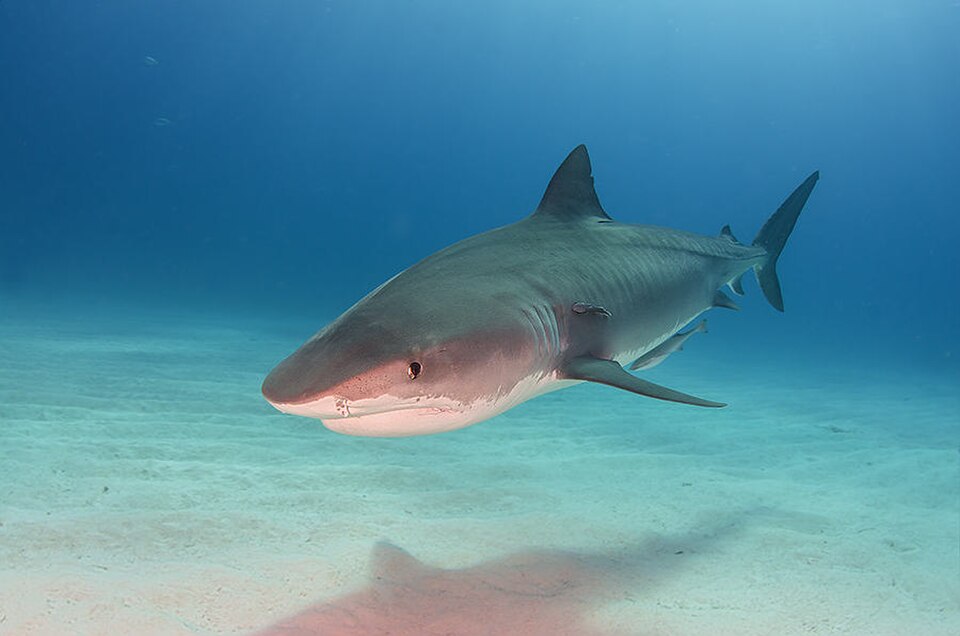
Tiger sharks and hammerheads occur offshore here, as they do through most of the Caribbean, but sightings are too uncommon to plan around. Travelers looking for a reliable tiger shark encounter go to the Bahamas, Fuvahmulah in the Maldives, or a liveaboard to Socorro.
When to Go
- June to September: Whale sharks, with July as the usual peak. This is also hurricane season. El Niño years tend to be quieter, and La Niña years tend to be stormier.
- November to March: Bull sharks off Playa del Carmen. The air is cooler, and the dive shops are running the shark boats.
- Any month: Nurse sharks on the shallow reefs, and Caribbean reef sharks if you're diving walls. Winter and spring often have clearer water. In summer the offshore water is warmer, and more likely to be cloudy with plankton.
Choose the month for the species you most want to see. July favors whale sharks. January favors bull sharks. The two seasons do not overlap.
How to See Them Responsibly
- Book a whale shark boat that can show a permit, keeps the group small, and explains the rules before leaving the dock.
- On the bull shark dive, wear the dark wetsuit and stay where the guide places the group.
- Do not feed, chase, or touch any shark, including a nurse shark that is resting.
- A rash guard protects both you and the reef better than a heavy layer of sunscreen. If you use sunscreen, choose a reef-safe one and apply it well before entering the water.
- Keep your fins off the coral. The smaller sharks are here because the reef is here.
- Smaller boats generally make for a better experience. A larger group does not improve the encounter.
A Note on Conservation
Whale sharks and Caribbean reef sharks are both listed as Endangered. Bull sharks, nurse sharks, blacktips and lemon sharks are Vulnerable. Choose operators that run permitted boats, keep groups small, and do not allow guests to handle the animals. The reef is still recovering from the bleaching in 2023 and 2024, so staying off the coral matters as much as how you behave around the sharks.
Planning a Cancun Sharks Trip
If you're planning around Cancun sharks in 2026:
- Whale sharks: Base yourself on Isla Mujeres, or at least leave from there, and read the whale shark guide before you pick a boat.
- Bull sharks: Book a Playa del Carmen shop between November and March, and ask whether the dive uses bait or is watch-only.
- Caribbean reef sharks: Take the ferry to Cozumel.
- Nurse sharks: Snorkel Isla Mujeres or Puerto Morelos and look under the ledges.
In an El Niño summer, leave extra days for whale sharks and expect some of the shallow reefs to still look bleached. The winter bull shark dive follows the same calendar either way. Check the forecast if you're traveling in summer, then book the month that matches the shark you want to see.
Common Questions
Are there sharks in Cancun?
Yes. Nurse sharks live on the local reefs all year. Whale sharks gather offshore in summer. Bull sharks gather off Playa del Carmen in winter. Caribbean reef sharks are most often seen on the walls at Cozumel.
Is it safe to swim with sharks in Cancun?
Swimming at the hotel beaches is a normal part of a Cancun holiday. The encounters people book happen offshore, with a guide and a set of rules. Don't touch the animals, and skip dawn or dusk swims next to boats that are cleaning fish.
When is shark season in Cancun?
Whale shark season usually runs from about mid-May or June through mid-September, and authorities set the exact dates each year. Bull shark diving runs from November through March. Nurse sharks and Caribbean reef sharks are around all year.
Does El Niño affect Cancun sharks?
It can. Warmer water and a weaker upwelling mean less food at the surface, so you may see fewer whale sharks on a given day. The same heat can bleach the reefs that nurse sharks and Caribbean reef sharks use. It has very little effect on the winter bull shark dive.