If you're coming to Maui to spend as much time in the water as on land, you're in the right place. This guide walks through the best places to snorkel in Maui, Hawaii, how to choose the right spot for your skills, when to go, and how to keep both you and the reef safe. Whether you're searching for Maui top snorkeling spots or the best place to snorkel in Maui for beginners, we've got you covered.
We'll focus on easy, realistic planning based on our experience: which bays are calm, where you're most likely to see turtles and a healthy reef, and when it's better to hop on a tour vs go DIY.

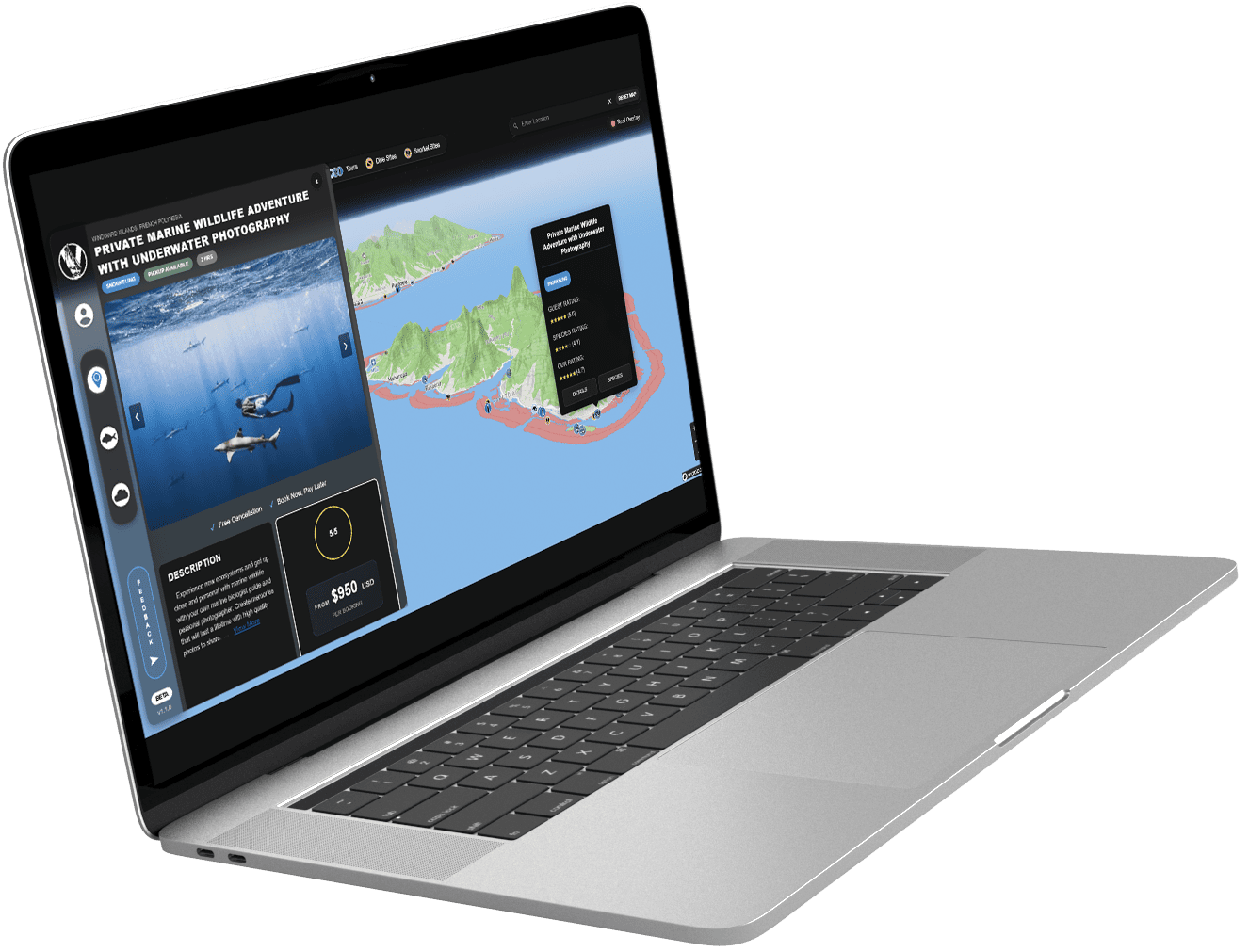
Image from Voyatlas.io web app
Why Maui, Hawaii Is One of the Best Places to Snorkel
Maui consistently ranks as one of the top Hawaiian islands for snorkeling by visitors because:
- There are many sheltered bays with clear water and easy entries (especially in West and South Maui)
- Offshore spots like Molokini Crater offer exceptional visibility and dense marine life
- Several sites are in or near marine conservation areas, which helps fish populations and coral health
Other Hawaiian islands offer more specialized marine life encounters, such as shark swims on Oahu's north shore, and manta ray snorkeling on The Big Island, while Maui offers the healthiest reefs with the most diverse array of underwater geography and marine life.
How This Guide Chooses Maui's Top Snorkeling Spots
To keep this practical, the "top Maui snorkeling spots" here are chosen using:
- Marine life: variety of fish, chance of turtles, healthy reef
- Conditions: protection from swell and wind, especially mornings
- Ease of access: realistic for visitors (parking, entry, facilities)
- Suitability: options for beginners, kids, and confident swimmers
- Conservation & rules: preference for areas with some protection and clear guidelines
Detailed Guide to the Best Places to Snorkel in Maui
Get access to Maui snorkeling spots and tour information first

#5 Molokini Crater – High-Visibility Offshore Snorkeling (By Boat)
If you're looking for a "wow" moment, Molokini Crater is one of the most famous snorkel sites in Hawaii. It's a partially submerged volcanic crater offshore of South Maui, protected as a Marine Life Conservation District.

Why it's special
- Very clear water with up to 200m of visibility
- Abundant reef fish and unique coral formations not seen in the same combinations elsewhere in Hawaii
- Lots of sites around the crater, each offering unique opportunities to see different wildlife such as manta rays, reef sharks, and a variety of pelagic species
Things to know
- You can only visit by boat. There's no land access
- Commercial activity (like snorkel tours) are managed by permits and specific rules to protect the area

Image from Voyatlas.io web app
Most Molokini trips combine the crater with a second stop, such as Turtle Town or Coral Gardens, which is a great way to see different reefs in one morning. We recommend booking with a small group on a fast boat if you want to get the most adventure out of the tour, or a larger group with a larger boat if you value relaxation more than cramming lots of stops into one morning.

#4 Turtle Town / Maluaka Area – Classic Turtle Encounters
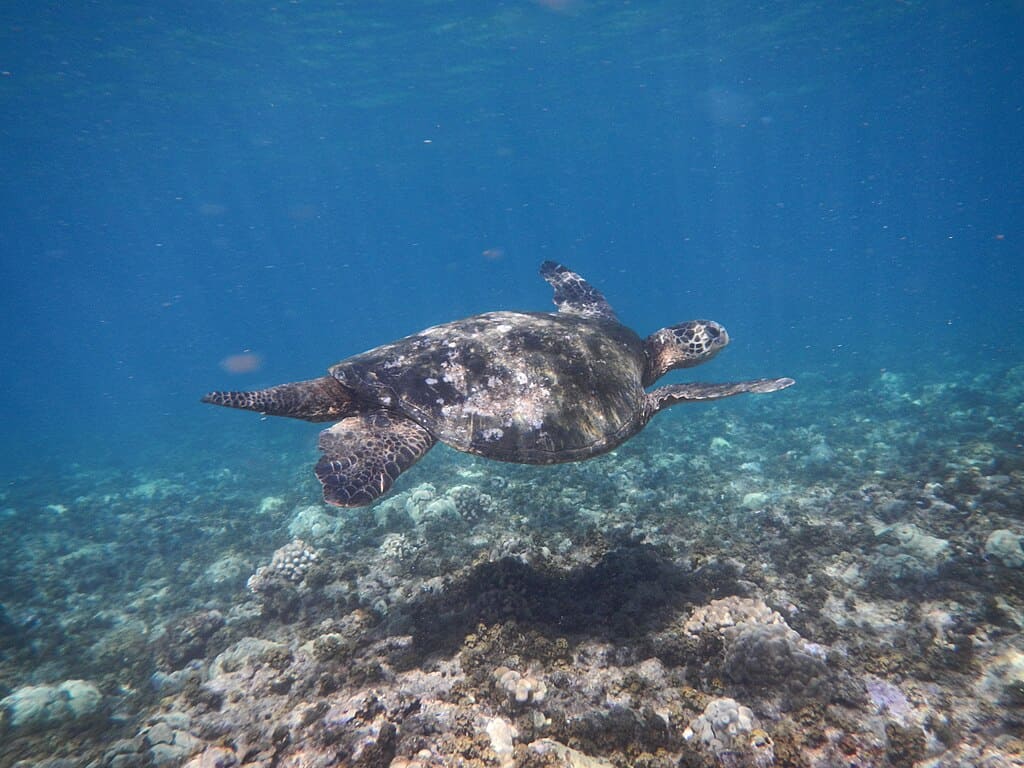
"Turtle Town" generally refers to a stretch of South Maui coast near Maluaka Beach, known for frequent Hawaiian green sea turtle sightings. Sea turtles can be seen all across Maui, but Turtle Town offers the most consistent sightings due to its reputation of being a turtle cleaning station where turtles come to get their shell cleaned by reef fish such as wrasse and tangs. We witnessed this ourselves!

Why it's special
- Schools of reef fish congregate over a mixed sand-and-coral bottom
- Arches and other lava formations are common in the area
- Turtles can be seen getting their shells cleaned while resting on the reef
Things to know
- Most visitors access Turtle Town by boat through a tour company, but strong swimmers have reported visiting the site from shore in early mornings when the ocean is calm
- We encourage everyone who visits turtle hotspots on Maui to stay at least 10ft (3m) away from the turtles, especially when they are coming to the surface to breathe air

Image from Voyatlas.io web app
Turtle Town can become crowded as the morning progresses, and the weather can influence visibility since the spot is unsheltered and exposed to high wind and current during the day. Low wind and sunny conditions give you the best chance of experiencing optimal conditions in the water.

#3 Black Rock (Kaʻanapali Beach) – Turtles & Cliffside Reef
At the northern end of Kaʻanapali Beach, Black Rock is a lava outcrop that creates a pocket of reef with frequent turtle sightings and extremely clear water on good days. The white sandy bottom and sharp reef drop off provide a snorkeling experience you can't find anywhere else. If you're lucky, you'll also see turtles sunbathing on the rocks around the site.

Why it's special
- High visibility and unique geography
- Easily accessible for the whole family
- Good chance of seeing turtles in and out of the water
Things to know
- The spot is very popular, and the water can get crowded by people cliff jumping, swimming, and snorkeling. Early morning will yield the best ocean conditions with the least amount of swimmers
- Conditions can change quickly the farther you swim from the beach

Image from Voyatlas.io web app
Black Rock is one of the most notorious spots in Maui, and for good reasons. While it is less diverse in marine life compared to other spots, its accessibility and proximity to amenities make it a top choice for snorkelers looking for a laid-back, unique, and turtle-packed spot to explore.

#2 Kapalua Bay – Calm, Crescent-Shaped, and Beginner Friendly
Kapalua Bay is a small, protected cove on West Maui with reefs on both sides that help block swell. That makes the water very calm, especially in the morning, and ideal for newer snorkelers and families. The abundance of marine life and unique geography makes it a top pick for snorkelers of all skill levels.

Why it's special
- Lots of reef fish such as butterflyfish, tangs, and parrotfish can be seen in the area, especially along the right side of the cove
- Turtles and reef sharks can be seen occasionally cruising along the reef edge
- Sheltered from high wind and current
Things to know
- The right side of the bay is more biodiverse than the left side
- Similar to Black Rock, it can get crowded as the day progresses. Going early in the morning gives you the best chance at perfect ocean conditions and minimal crowds
- Parking can be challenging, and is another reason to arrive early

Image from Voyatlas.io web app
Kapalua Bay is well deserving of the #2 spot on the list of best places to snorkel in Maui. High biodiversity and sheltered, calm waters make it a perfect option for snorkelers who want to get the most out of their experience, while simultaneously enjoying the accessibility.

#1 Honolua Bay – Lush Jungle Walk & Protected Marine Life
Honolua Bay, on West Maui's northwestern tip, is widely considered one of the island's standout snorkel sites, and in our opinion it is by far the best spot on the island. It sits within a Marine Life Conservation District, which limits fishing and helps keep fish populations and coral relatively healthy.

Why it's special
- Dense schools of reef fish can be seen in the channel, and swimming through the reef
- Larger fish species like trevalli can be seen hunting around the reef
- Turtles are a common sight here, often congregating in groups of 2 or more
- The walk down to the beach is a lush jungle inhabited by families of chickens
- Colourful coral and great depth variation
Things to know
- The beach is rocky, so bring water shoes if you are less confident entering on rocky ground
- This spot has the most scarce parking, so plan and arrive early
- The bay is sheltered, but if the wind direction is just right, it can cause choppy water in the bay

Image from Voyatlas.io web app
Honolua Bay is our favourite place to snorkel in Maui, and will continue to be our go-to spot in 2026. It has the most marine life out of the other spots on this list, and offers a unique adventure every time you visit. Don't leave this spot out of your 2026 Maui itinerary!

Best Time of Year & Daily Conditions for Snorkeling in Maui
You can snorkel year-round, but generally:
- Late spring through early fall (April–September) tends to have calmer conditions and drier weather, especially for boat trips like Molokini
- Winter can bring bigger north and west swells, which may affect spots like Honolua Bay and Kaʻanapali. On those days, south or more sheltered areas may be safer and clearer
Always check current ocean conditions rather than relying on averages. Maui County and Hawaii ocean safety resources emphasize evaluating surf, wind, and current before entering the water.
Daily Timing & Weather Tips
Mornings are usually best with lighter winds, calmer water, and clearer visibility.
Avoid:
- Murky water
- Strong wind / choppy surface
- Big breaking waves near shore
"If in doubt, don't go out" is a common safety line in Maui's official ocean safety guidance.
Safety, Conservation, and Local Etiquette
Snorkeling in Maui can be incredible, but it's still the open ocean. Local agencies and tour operators highlight a few core principles.
Snorkel Safety Basics
- Never snorkel alone – always go with a buddy or a guided tour
- Stay within your limits – if you're not a strong swimmer, stick to very calm, shallow areas or go with a reputable tour that provides flotation and close supervision
- Check conditions first – look for high surf, strong wind, or currents; ask a lifeguard where available
Protecting Maui's Reefs and Marine Life
Maui's coral reefs and turtles are under pressure from climate change, overuse, and pollution, so how you snorkel matters:
- Don't touch or stand on coral – it's a living animal and breaks easily
- Give turtles space – Hawaii guidance recommends staying at least ~10 feet (3 m) away and never blocking or chasing them
- Use mineral reef-safe sunscreen – Maui County bans the sale and use of non-mineral sunscreens; only mineral products (zinc oxide or titanium dioxide) are allowed
Snorkeling Tours vs DIY – What's Best for You?
Consider booking a tour if:
- You're not fully comfortable in open water
- You want to reach offshore spots like Molokini or more remote reef areas
- You'd like equipment, safety briefings, and guidance included
When DIY Snorkeling Works Well
DIY is a great option at easy, sheltered beaches like Kapalua Bay or parts of Wailea/Makena when the surf is low.
DIY is usually best if:
- You're comfortable swimming in the ocean
- You know how to spot unsafe conditions
- You have your own gear or can rent quality gear locally
What to Pack for Snorkeling in Maui
Essential Snorkel Gear
- Mask, snorkel, and fins that actually fit
- A rash guard or long-sleeve swim top to reduce sun exposure
- A simple flotation aid (snorkel belt, vest, or noodle) if you're not 100% confident
Reef-Safe Sun Protection & Extras
- Mineral reef-safe sunscreen (zinc oxide / titanium dioxide only, per Maui County law)
- Wide-brim hat, sunglasses, and a light cover-up for before/after the water
- Reusable water bottle and light snacks
- A dry bag or waterproof phone pouch for valuables on the beach or boat
Summary – Planning Your Maui Snorkeling Adventure
If you remember nothing else, here's the quick recap of the best places to snorkel in Maui:
- For an easy, calm intro: Kapalua Bay
- For dramatic reef in a conservation area: Honolua Bay (on a calm day)
- For classic "resort-side" snorkeling and turtles: Black Rock, Kaʻanapali
- For turtle encounters in South Maui: Turtle Town / Maluaka area
- For a high-visibility, bucket-list boat trip: Molokini Crater + a second reef stop
Pair those spots with:
- A morning snorkel schedule
- Honest self-assessment of your swimming skills
- Reef-safe habits (no touching coral or turtles, mineral sunscreen only)
…and you'll be in a great position to enjoy Maui's underwater world while helping protect it for future trips.