If you're coming to Costa Rica specifically for snorkeling, you'll want to be picky. A lot of beaches look perfect from the sand, but river runoff, swell, and murky water can make the actual snorkeling underwhelming.
This guide focuses on the best snorkeling in Costa Rica from a snorkeler's point of view: where visibility is usually good, which spots are better for big wildlife vs shallow coral, how conditions change between the Pacific and the Caribbean, and when it's smarter to book a boat tour instead of going DIY.
Why Snorkeling in Costa Rica Can Be Amazing (in the Right Places)
Costa Rica has two coasts with very different personalities:
Pacific Coast
- Classic dry/rainy pattern: dry season December–April with less rain and more stable ocean conditions.
- Near-shore visibility is often reduced by swell and river sediment, but offshore islands like Isla del Caño and Isla Tortuga can have excellent visibility and big marine life.
Caribbean Coast
- More humid and rainy year-round; it doesn't follow the same dry season pattern.
- Certain months (especially Feb–Apr and Sept–Oct) can bring unexpectedly calm seas and clear water over coral reefs like Cahuita.
So the "best snorkeling in Costa Rica" really means: choosing specific spots that are protected from swell or offshore, and timing them with the right season for that coast.
How This Guide Chooses Costa Rica's Top Snorkel Spots
To keep this useful for actual snorkelers (not just pretty IG photos), each spot here scores well on:
- Marine life: reef fish, turtles, rays, reef sharks, etc.
- Visibility: typical clarity on good days (not just once in a blue moon).
- Entry & comfort: shore vs boat, depth, surface chop, current.
- Suitability: options for beginners, kids, and confident swimmers.
- Protection & rules: many of these are parks/reserves with regulations that help keep reefs alive.
We'll count down from #5 to #1, then cover best time of year, safety, and what to pack.
Get access to snorkeling spots and tour information first

#5 Manuel Antonio & Central Pacific – Nice Bonus, Not a Snorkel Mecca
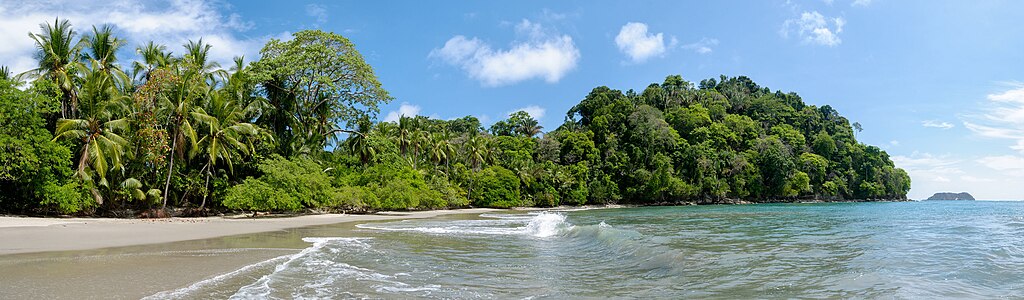
Region: Central Pacific (Manuel Antonio National Park, Playa Biesanz, nearby coves)
Manuel Antonio is stunning above water. It offers steep jungle cliffs, monkeys in the trees, coves that look like postcards. Underwater, it's more of a "nice extra if conditions are good" than a destination you'd fly across the world for.
Why snorkelers love Manuel Antonio
- Sheltered bays like Biesanz and some in the park can be calmer than the open Pacific, especially in the dry season (Dec–Apr).
- Easy add-on if you're already visiting for hiking and wildlife.
- Near rocks and reef patches, you'll find small tropical fish and urchins; some catamaran tours include a snorkel stop at slightly deeper offshore rocks.
- It's a good way to get your mask in the water without committing to a full-on snorkel session.
What snorkelers need to know
- Visibility is hit-or-miss. Rain and river runoff can make the water cloudy, even in "good" months. Locals often warn people not to expect crystal-clear conditions.
- Marine life is modest compared to offshore spots: think "some fish and rocks" rather than sharks, rays, or big schools.
- If snorkeling is a top priority for your trip, treat Manuel Antonio as a bonus snorkel and plan at least one of the higher-ranked spots below as your main event.
- For boat tours, always ask about the visibility that day before booking. Recent reviews mention companies heading out even when visibility is 30% or less.
#4 South Caribbean Reefs – Manzanillo & Surroundings
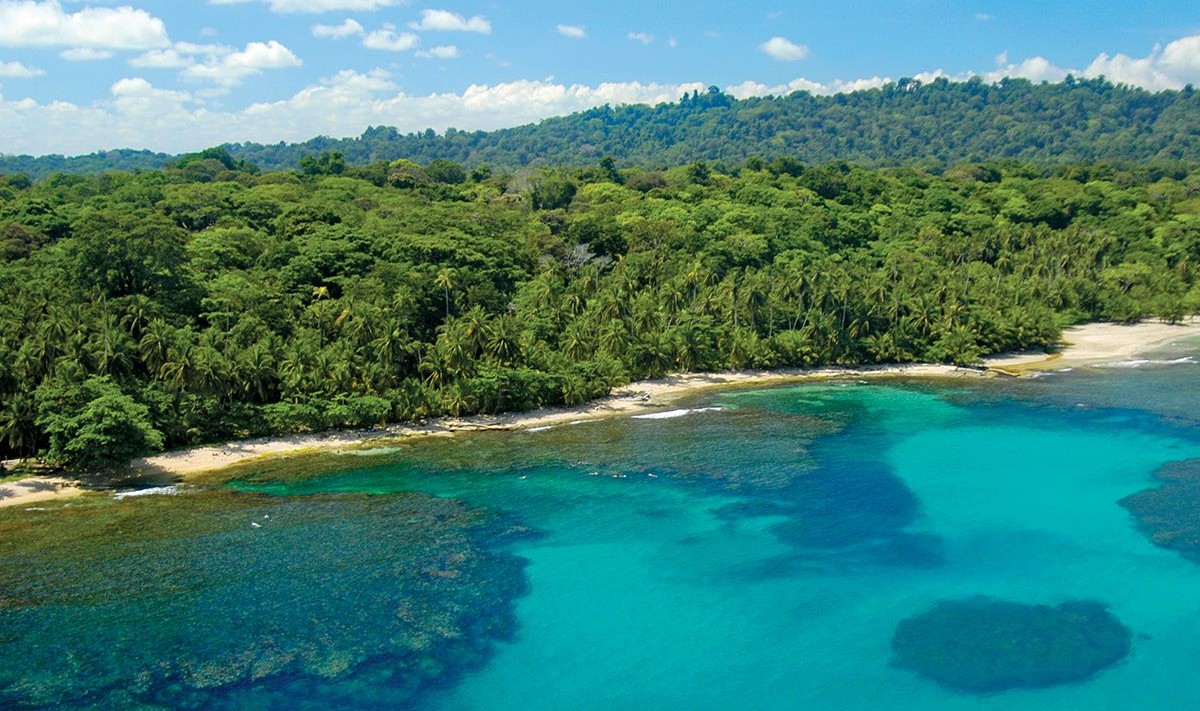
Region: Southern Caribbean, around Gandoca–Manzanillo Wildlife Refuge
The South Caribbean coast feels totally different from the Pacific: warm bathtub water, jungle right up to the sand, and patch reefs dotted along protected coves.
Why snorkelers love the South Caribbean
- Shallow patch reefs and rocky areas reachable from shore or short local boat trips near Manzanillo and other coves.
- Mix of reef fish, soft corals/sea fans, and occasional turtles on calmer days.
- A more low-key, local vibe compared to busy Pacific resort towns. It's great if you like wild beaches and fewer crowds.
On a good day in calm Caribbean water, sliding into warm, clear shallows here is about as relaxed as snorkeling gets in Costa Rica.
What snorkelers need to know
- Conditions are very weather-dependent. Swell, wind, and river runoff can turn everything milky, especially outside calm months.
- Infrastructure is limited: usually no lifeguards, and access can involve rough tracks or small local boats. If you're not confident reading ocean conditions, go with a reputable local guide.
- Even in "good" seasons, not every day is snorkelable. Build backup plans (hikes, wildlife watching, surfing) so you're not disappointed.
- Reefs here tend to be scattered patches rather than one continuous wall, so set expectations to "pockets of nice snorkeling" rather than endless reef.
#3 Isla Tortuga – Clear, Calm "Tropical Postcard" Snorkeling
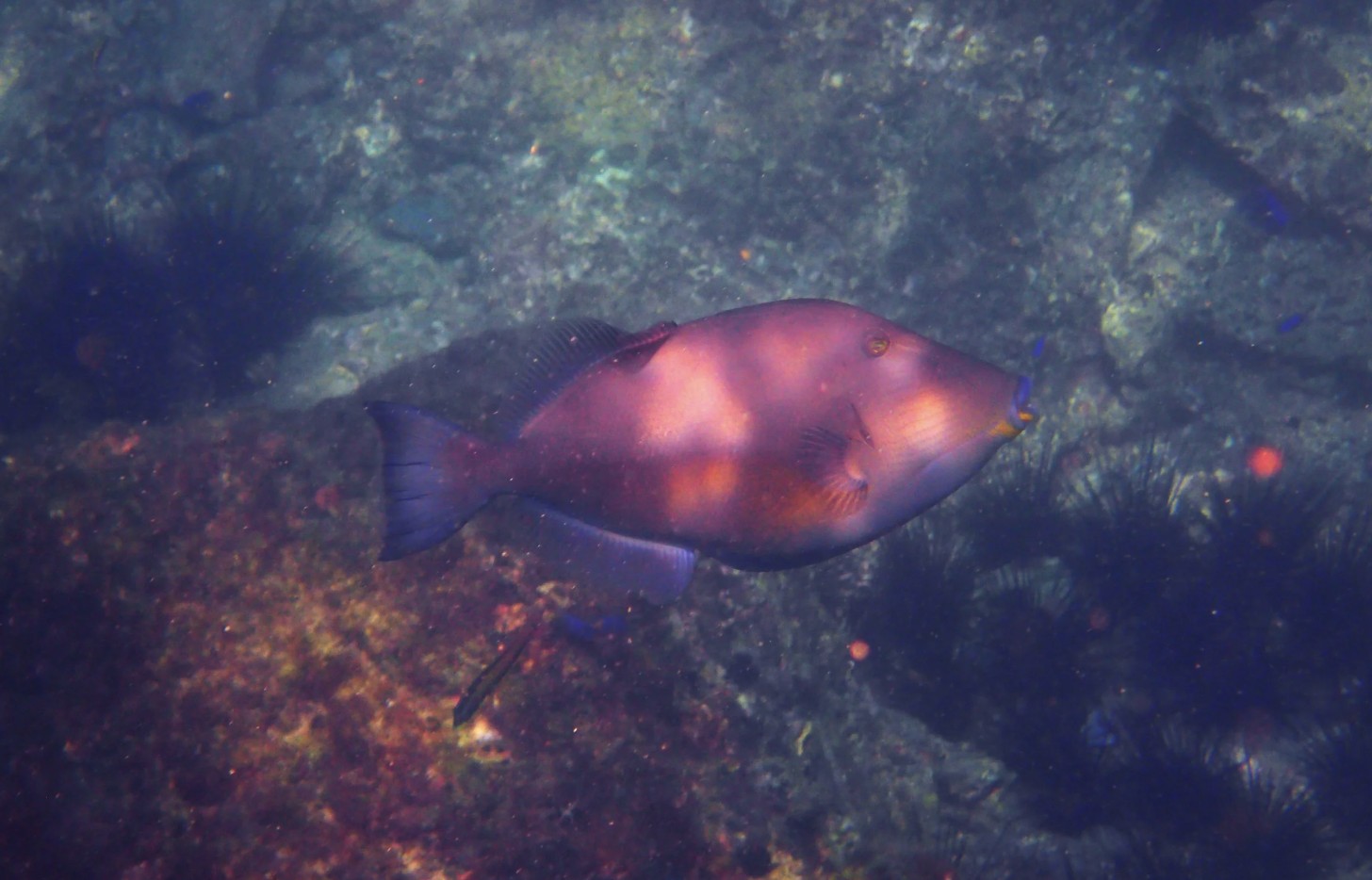
Region: Nicoya Gulf, off the Nicoya Peninsula (tours from Jacó, Paquera, Montezuma, Santa Teresa, etc.)
Isla Tortuga is the classic "snorkel + beach day" spot: white sand, turquoise water, volcanic rock reefs, and a boat trip that feels like a mini-expedition.
Why snorkelers love Isla Tortuga
- Calm, protected bay that often has good to excellent visibility, with some reports mentioning up to ~30 m (100 ft) on sunny days.
- Volcanic rock reefs with schooling fish, angelfish, moray eels, needlefish, rays, and occasional turtles.
- Very beginner-friendly: you hop off the boat near a reef, float around, then relax on the beach with lunch and shade.
If you picture "blue water, fish, and a sandy island," Tortuga checks that box better than most near-shore mainland beaches.
What snorkelers need to know
- It's a full boat day, so expect a 45–90 minute ride each way, depending on departure point and sea state.
- Underwater scenery is more rocky reef + fish than delicate branching coral; it's fun and fishy, but not as ecologically dense as Caño or Cahuita.
- Group size and vibe vary: some tours are party-ish (music, drinks), others are quieter and nature-focused. Check reviews and descriptions so the vibe matches what you want.
- Conditions still matter: on windy or rainy days, visibility can be poor even at Tortuga, so it's worth asking the operator about recent conditions before locking in a date.
#2 Cahuita National Park – Guided Snorkeling Over Live Coral Reef
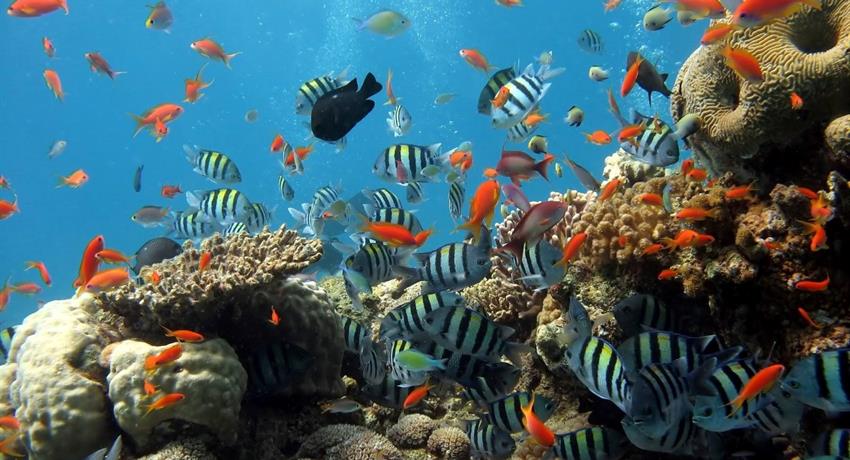
Region: Southern Caribbean, near Puerto Viejo & the town of Cahuita
Cahuita National Park protects the largest coral reef system in Costa Rica, with multiple coral species and lots of fish life. You can't just swim out to the main reef on your own. Snorkeling is only allowed on guided tours by boat, which is actually a big plus for reef protection and safety.
Why snorkelers love Cahuita
- Shallow coral gardens with elkhorn, brain coral, staghorn, and soft corals, plus sea fans waving in the current.
- Lots of reef fish, such as parrotfish, angelfish, butterflyfish, plus rays and barracuda are commonly mentioned in tour descriptions and reviews.
- Typically much shallower than Caño or Tortuga, which feels more comfortable for snorkelers who dislike deep blue water under them.
- Tours often combine 2+ snorkel spots with a jungle/coastal hike, so you get reef plus howler monkeys, sloths, and other wildlife in one outing.
If your mental image of snorkeling is "colorful shallow reef and lots of fish," Cahuita is as close as Costa Rica gets.
What snorkelers need to know
- Conditions are very seasonal and weather-dependent. Caribbean Costa Rica can be rainy year-round, but Sept–Oct (and sometimes late Feb–Apr) often bring calmer seas and clearer water.
- When rivers are pumping or swell is up, visibility can drop quickly. Operators will usually cancel or reschedule if conditions are truly bad, but it's still smart to build buffer days into your plan.
- You'll be in a small group with a guide in the water, not drifting around solo, which is great for safety and reef protection, less ideal if you want total freedom.
- Some tours note that sections of the reef are fragile or recovering; treating this as a quiet, slow snorkel rather than a "thrash around and chase everything" session helps keep it special.
#1 Isla del Caño – Offshore Biological Reserve With Costa Rica's Best Overall Snorkeling
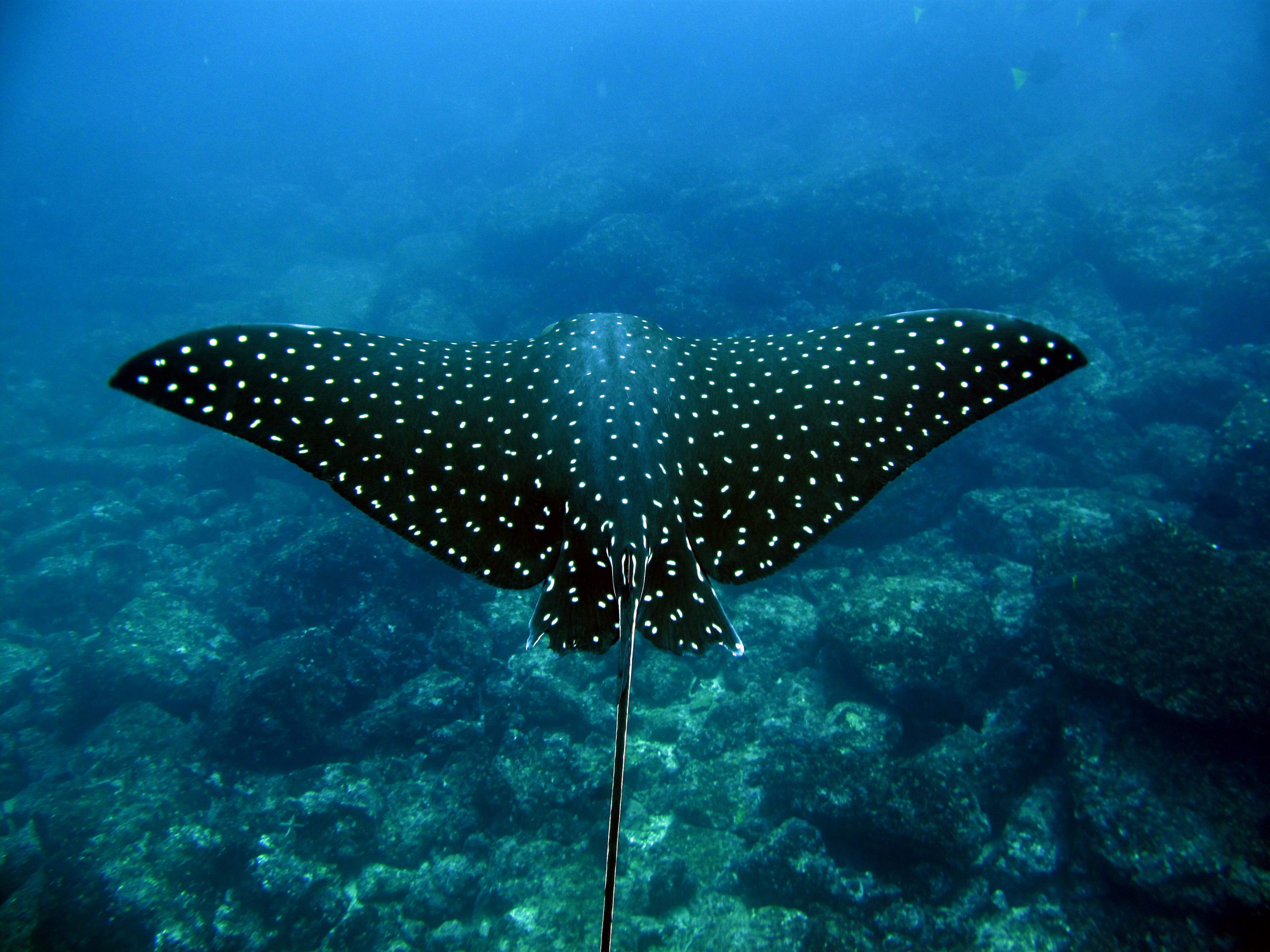
Region: South Pacific, reached by boat from Drake Bay or Uvita
If you're looking for the single best snorkeling in Costa Rica, Isla del Caño (Caño Island Biological Reserve) is the spot most dive and snorkel operators point to. It's an offshore marine reserve with clear water, thriving marine life, and strict protection.
Why snorkelers love Isla del Caño
- Excellent visibility: often 20–30 m (60–100 ft) on good days, because you're far from the murky coastal runoff that affects many mainland beaches.
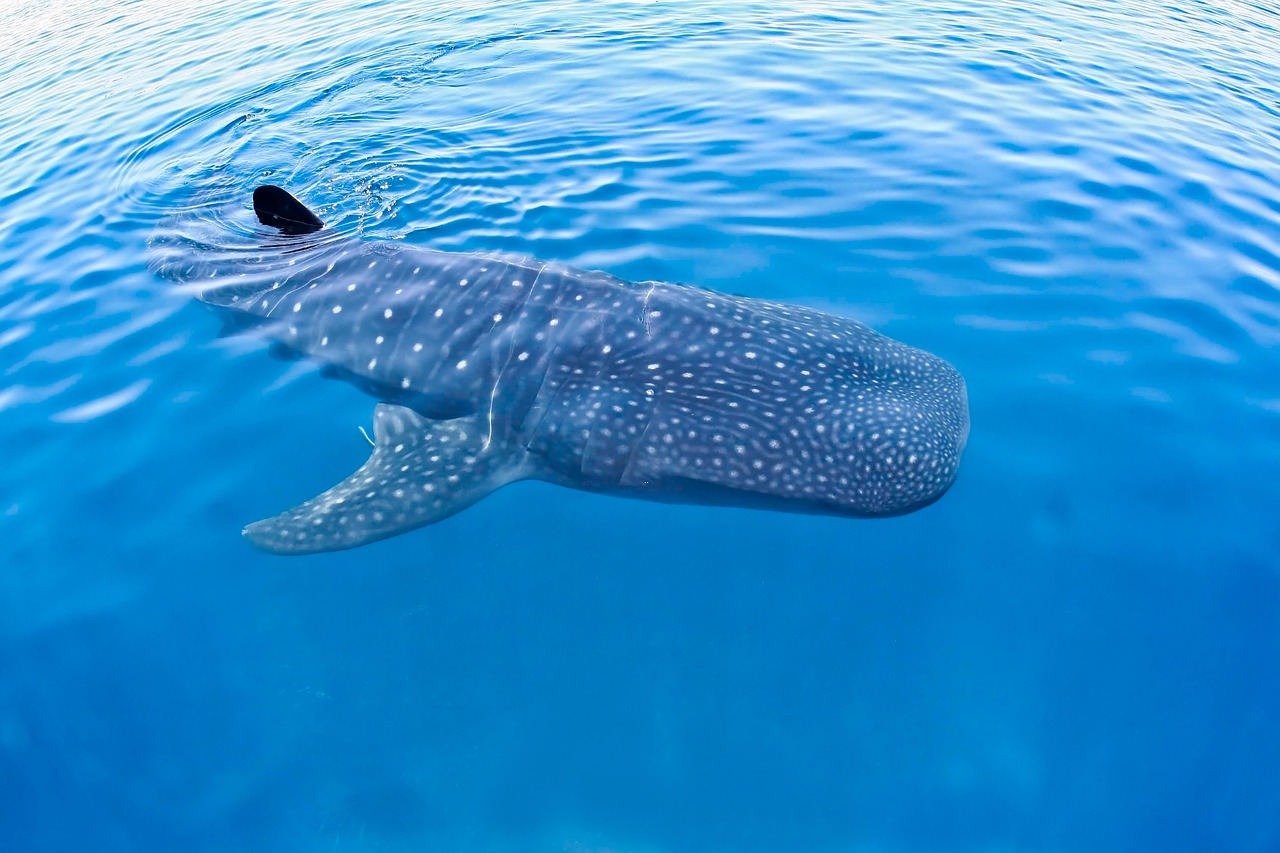
- Big-ticket wildlife: white-tip reef sharks, hawksbill and green turtles, whale sharks,eagle rays, stingrays, and big schools of jacks and snapper are commonly reported by snorkelers.
- Lava rock and reef structures with drop-offs and boulders that feel more like a mini version of Cocos Island than a simple beach reef.
- Because it's a biological reserve, daily visitors and activities are tightly controlled, which helps keep the ecosystem in better shape than many easily accessible spots.
If your goal is "I want one day of seriously good snorkeling in Costa Rica," Caño is the most reliable answer.
What snorkelers need to know
- It's a proper offshore trip: plan for about 1–1.5 hours by boat each way, often over choppy open ocean. Seasickness meds are a very good idea.
- You must go with a licensed tour; independent access isn't allowed. Guides usually get in the water with you, lead the group, and keep an eye on conditions.
- Many operators require life jackets or flotation for all snorkelers; some will allow stronger swimmers to free-dive within the rules. Always confirm what's allowed if you're hoping to dive down.
- Depth is typically 5–15+ m under you. This is not a shallow, stand-up reef. If you're anxious in deep water, stick close to the guide and use flotation.
- As in other reserves, it's strictly no touching, no taking, no feeding, and you can't land on the island itself. Everything happens from the boat and in the water.
Best Time of Year & Daily Conditions for Snorkeling in Costa Rica
Because the Pacific and Caribbean behave differently, timing is a big deal.
Pacific Coast Timing (Caño, Tortuga, Manuel Antonio, etc.)
- Best overall: Dry season, December–April – less rain, more stable seas, and better average visibility.
- May–August: shoulder season is often fine in the mornings, with more afternoon storms and somewhat reduced visibility.
- Sept–Oct: some of the rainiest months on much of the Pacific; swells and runoff can make snorkeling hit-or-miss.
Caribbean Coast Timing (Cahuita, South Caribbean reefs)
- The Caribbean doesn't have a neat dry/wet split; it's humid and can rain year-round.
- That said, February–April and especially September–October are often highlighted as windows with calmer seas and clearer water, making them prime months for snorkeling.
Daily Snorkel Timing
Regardless of coast:
- Mornings usually have the least wind and flattest water, which helps visibility.
Avoid:
- Brown/murky water
- Strong shore break or big surf
- Strong wind or obvious current
If it doesn't look or feel right, skip it and try another day—conditions here can change fast.
Safety, Conservation, and Local Etiquette
Snorkel Safety Basics
Across both coasts and all the main tour operators, you'll hear the same advice:
- Don't snorkel alone—always go with a buddy or a reputable tour.
- Be honest about your swimming ability; pick calm, sheltered sites or guided trips with flotation if you're not super confident.
- Listen to local advice on conditions; they know how rain, rivers, and swell play together at each spot.
- If you're on a boat tour and the crew says visibility is poor, take that seriously. Some reviews mention trips heading out even when vis is only ~30%, which can make snorkeling frustrating and tiring.
Protecting Costa Rica's Reefs and Marine Life
- Don't stand on or touch coral; many of Costa Rica's reefs are already stressed, and operators point out that coral can grow only a few inches per year.
- Give turtles, rays, and sharks plenty of space—enjoy them from several meters away and never chase or block them.
- Use reef-safe sunscreen (non-nano zinc or titanium) and/or wear a long-sleeve rash guard to reduce chemical load in the water.
- Follow all park and reserve rules—guided-only zones and visitor caps (like at Caño) exist specifically because unregulated use damaged reefs in the past.
Tours vs DIY Snorkeling in Costa Rica
When a Tour Makes Sense
Tours are the right move when:
- The site is offshore or inside a protected area (Isla del Caño, Isla Tortuga, Cahuita reef).
- You're not fully confident swimming in waves or judging conditions.
- You care about seeing as much wildlife as possible; crews know which reefs are clearest and most active that week.
Good operators typically:
- Provide properly fitted gear and flotation
- Give a proper safety briefing
- Keep guides in the water and watch for changing conditions
- Emphasize no-touch, reef-safe behavior
When DIY Can Work
DIY snorkeling can be enjoyable at:
- Biesanz / Manuel Antonio, on very calm, dry-season days
- Some Caribbean coves, when the seas are flat, and the water is visibly clear
It's best suited to people who:
- Are comfortable evaluating swell, currents, and visibility
- Can accept that some days will be a write-off
- Treat it as a bonus, not the only chance for good snorkeling
If you want reliably good snorkeling and you're coming a long way, build at least one Caño, Cahuita, or Tortuga tour into your plan rather than relying only on DIY.
What to Pack for Snorkeling in Costa Rica
Essentials
- Mask + snorkel that actually fit your face
- Fins or full-foot fins that match the type of entry (boat vs shore)
- Rash guard or long-sleeve swim top for sun + jelly/scrape protection
- Lightweight flotation (belt, vest, or noodle) if you tire easily or aren't super confident
Most tours at Caño, Tortuga, and Cahuita include gear, but bringing your own mask/snorkel can make a huge difference in comfort and leak-prevention.
Nice-to-Haves
- Reef-safe mineral sunscreen
- Wide-brim hat and light cover-up for the boat
- Waterproof phone pouch or small dry bag
- Motion sickness tablets for longer Pacific crossings (especially to Caño and Tortuga)
- Basic first-aid bits (plasters, antiseptic wipes) in case of minor scrapes
Summary – How to Actually Get the Best Snorkeling in Costa Rica
If your goal is truly the best snorkeling in Costa Rica, here's the simple way to plan it:
- Make Isla del Caño your top priority for clear water + big wildlife.
- Add Cahuita National Park if you want shallow coral gardens and lots of reef fish, especially in the Sept–Oct Caribbean window.
- Include Isla Tortuga for a relaxed, turquoise-water island day with easy snorkeling.
- Treat South Caribbean reefs and Manuel Antonio as nice extras when conditions are clearly good, not your only snorkel plan.
Layer that with:
- Timing the right coast for the right season
- Being honest about your swimming ability
- Sticking to reef-safe, wildlife-respectful habits
…and you'll give yourself the best possible chance of seeing Costa Rica's underwater side at its actual best, instead of wondering why the water looks like coffee.