If your goal is to stand on a boat in 2026 and watch the largest animal on Earth surface in front of you, you have to be strategic. Blue whales are rare, always moving, and most places only see them for a short window each year.
This guide focuses on where to see blue whales, when to go, and what to realistically expect in each region, based on recent data from marine biologists, the IWC Whale Watching Handbook, and experienced operators.
Sightings are never guaranteed, but these locations give you some of the best odds for 2026.
How This Guide Chooses Blue Whale Hotspots
Each location below scores well on:
- Reliability of sightings (recent multi-year records, not just one lucky season)
- Season length (how long blues are typically around)
- Accessibility (tour options, infrastructure)
- Conservation context (protected areas, regulations, research presence)
We'll cover:
- Best blue whale season in 2026 (based on recent typical patterns)
- What the experience is like (sea conditions, trip length, style)
- Key tips so you don't accidentally book the wrong month or coast
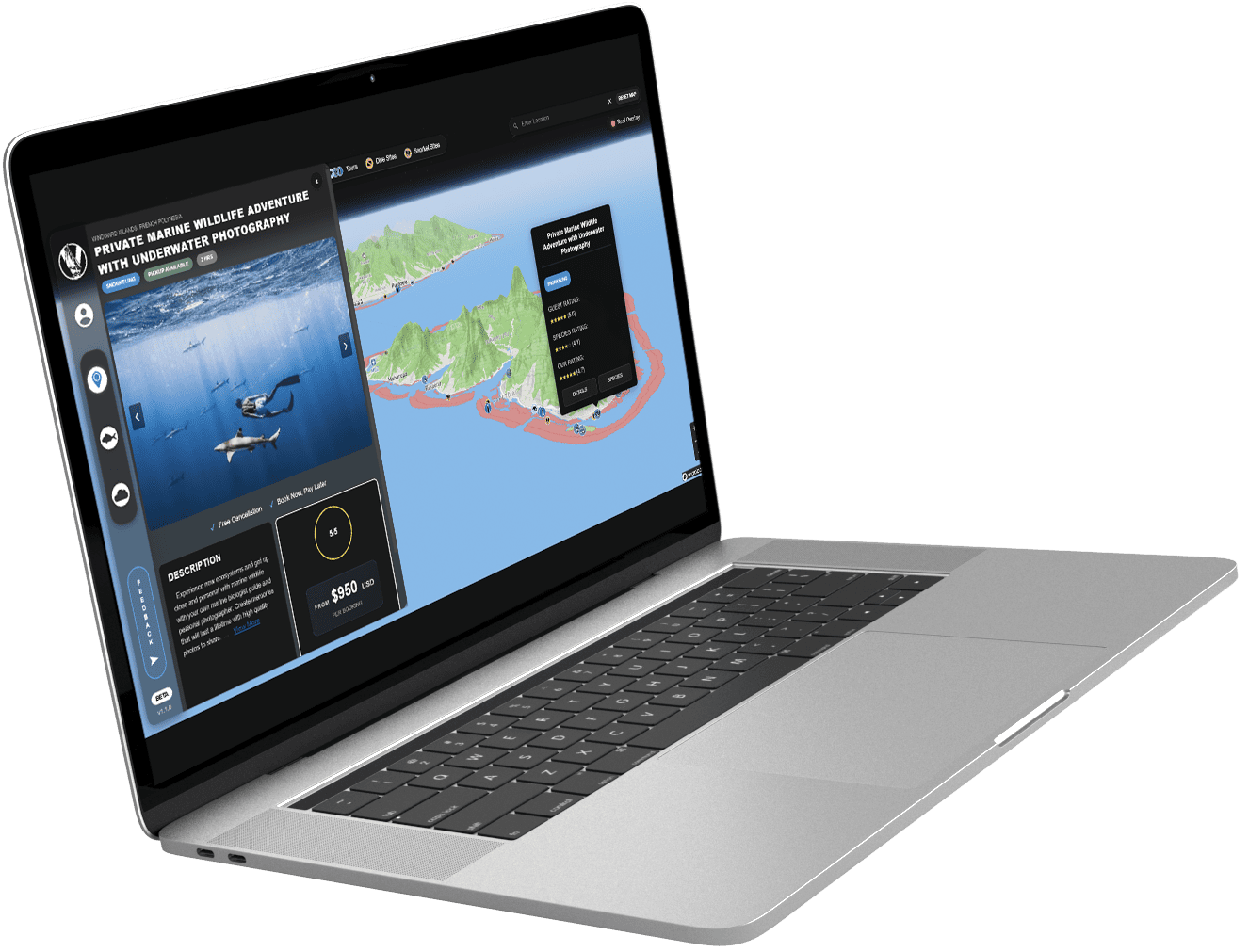
Get access to whale-watching tours and blue whale information on the Voyatlas desktop web app.

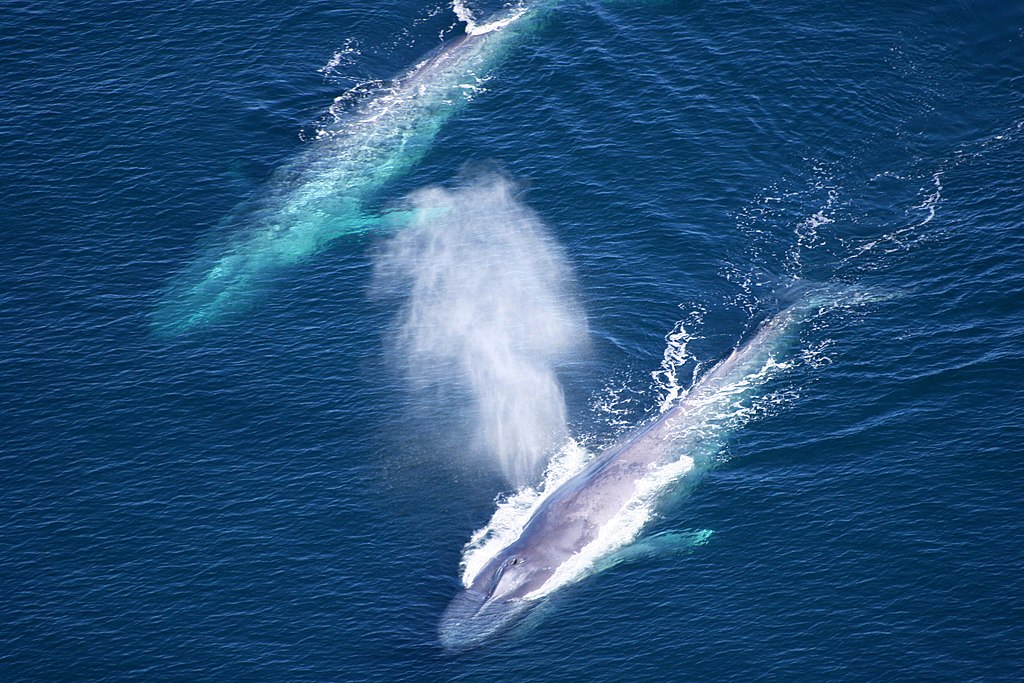
#5 Iceland – Húsavík & Skjálfandi Bay in Summer
Region: Northern Iceland, mainly Húsavík / Skjálfandi Bay
Iceland markets itself heavily for whale-watching, and while humpbacks are the headliners, blue whales do pass through northern bays in summer as they push into Arctic feeding grounds.
Why whale-watchers love Iceland
- Húsavík is often called the "whale-watching capital of Europe," with March–November seasons and peak activity May–September.
- Blue whales are seen as part of this mix, typically passing through Skjálfandi Bay in summer on their way north.
- Trips regularly feature humpbacks, minkes, dolphins and sometimes puffins and dramatic coastal scenery too.
- If you're already planning an Iceland trip, timing it right can give you a realistic shot at blues plus lots of other whales.
Best blue whale season in Iceland (2026)
Recent guides and operator data suggest:
- Blue whales are most likely mid-June through late June/July, when krill is abundant and baleen whales concentrate in northern waters.
- More broadly, April–September is recommended for whale watching in Iceland, with June–August as peak.
- For 2026, think late June into July in Húsavík for your best blue whale window.
What whale-watchers need to know
- Weather is a bigger wildcard than whales: dress for cold wind, rain and spray, even in summer.
- You'll likely go out in RIBs or traditional wooden boats, both of which can feel very different on choppy seas—choose based on comfort level.
- Blue whale sightings are less predictable and less frequent than Sri Lanka or Loreto, so treat blues as a bonus on top of excellent humpback watching.
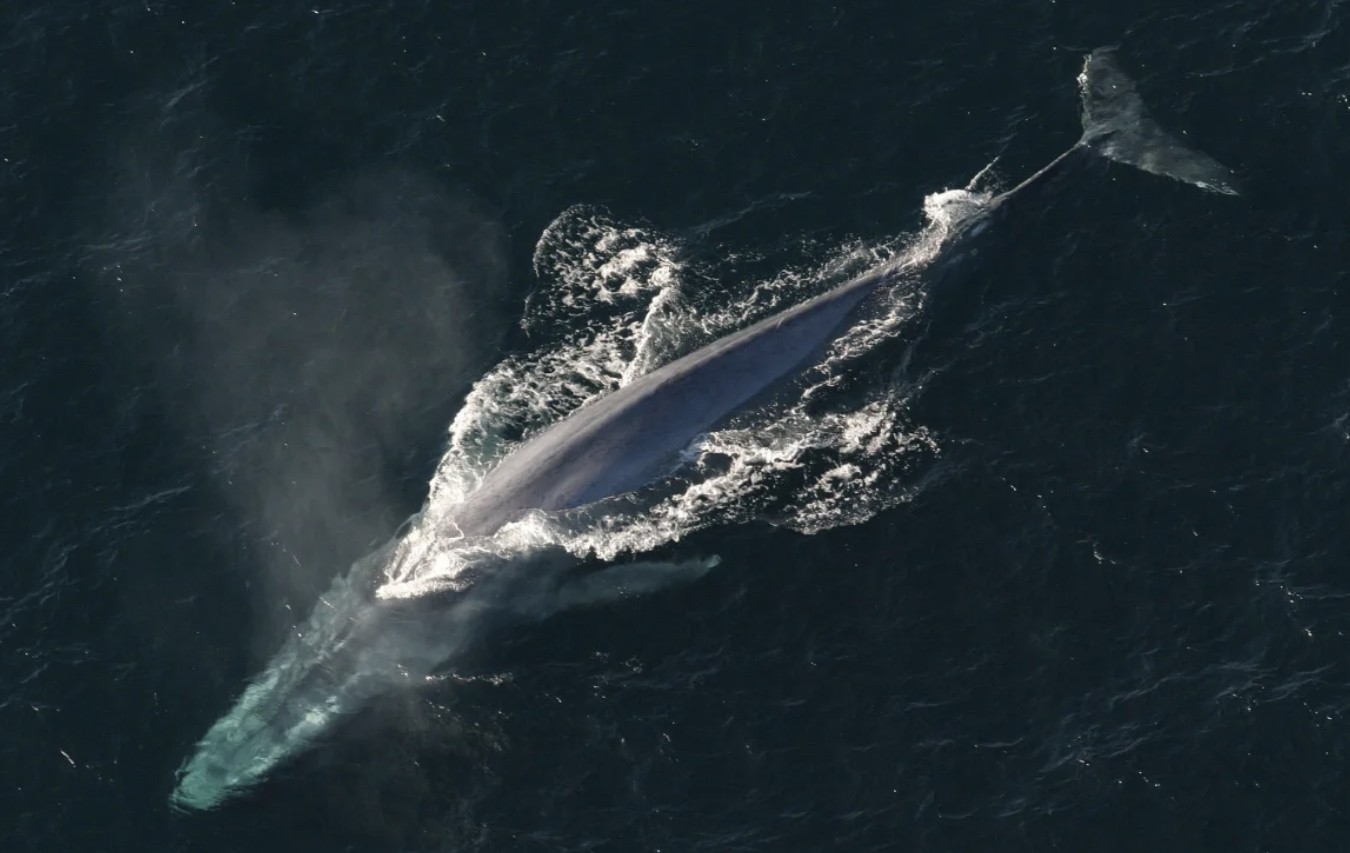
#4 California, USA – Monterey Bay & the Pacific Highway of Blue Whales
Region: US West Coast (Monterey Bay, Channel Islands / SoCal, broader California coast)
In summer and early fall, the California Current becomes a giant feeding buffet for krill-loving giants, and blue whales follow that food line.
Why whale-watchers love California for blue whales
- Monterey Bay and surrounding waters host blue whales that come to feed on dense krill blooms; tourism boards and operators highlight summer–fall as blue whale season.
- Whale-watching guides for the whole West Coast mention mid-June–September as typical blue whale season along California and up the coast.
- You also get humpbacks, dolphins and other wildlife in the same trips.
- You won't usually see as many individuals as peak Loreto or Sri Lanka, but when conditions line up, it's spectacular.
Best blue whale seasons in California (2026)
Based on recent patterns:
Monterey Bay
- Blue whales are most often seen May–October, with strong peaks in July–August depending on krill.
Southern California (Channel Islands / SoCal)
- Blue whale season is generally described as mid-June–September along the West Coast migration corridor.
- For 2026, targeting July–August gives you a nice overlap of good weather and blue whale presence.
What whale-watchers need to know
- These are open-ocean trips; seas can be choppy, and fog is common in summer. Motion sickness prep is key.
- Blue whales can be more spread out than in constricted gulfs, so some trips may see distant blows rather than close passes.
- California has strong marine-protection rules (e.g., distance guidelines, speed limits near whales), and reputable operators follow them closely.
California is ideal if you want to combine blue whales with a broader US West Coast trip and don't mind that sightings can be a bit more variable.
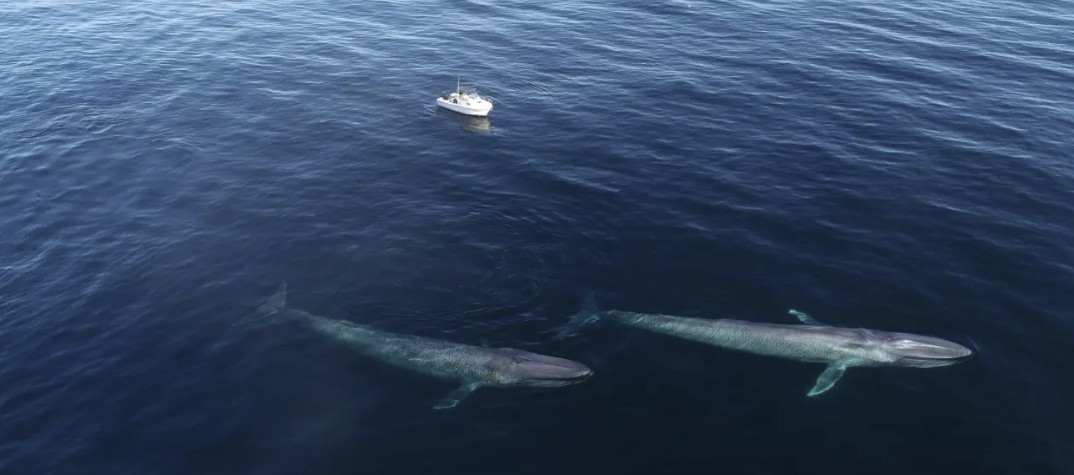
#3 Azores, Portugal – Spring Migration Through Mid-Atlantic Islands
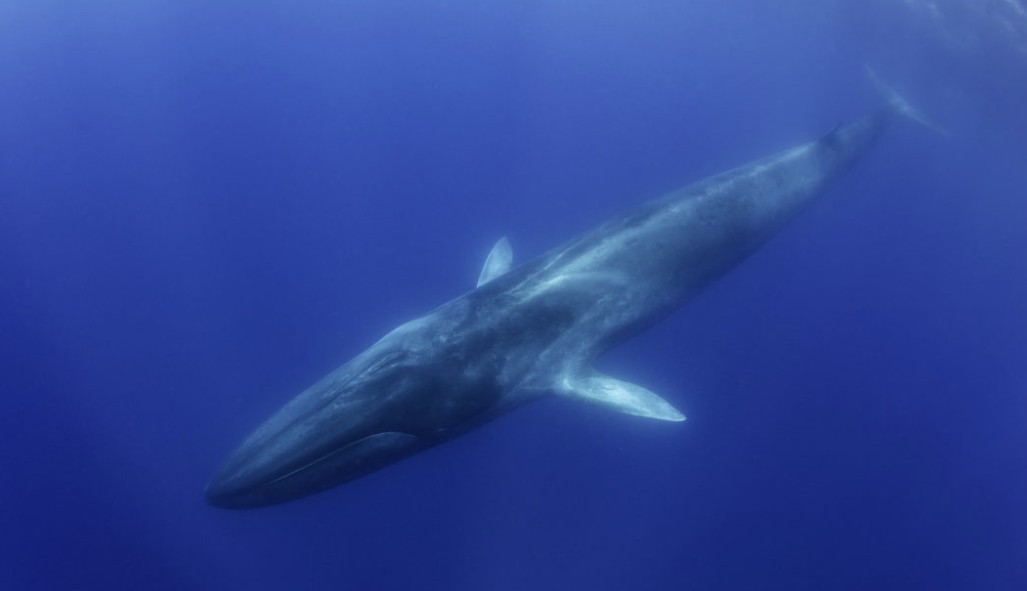
Region: North Atlantic, mid-ocean archipelago west of mainland Portugal
The Azores sit right on a migration route used by several baleen whales, including blue whales, as they move north in spring to feed.
Why whale-watchers love the Azores
- The islands (especially Pico, Faial and São Miguel) combine deep water very close to shore with professional whale-watching outfits and a strong conservation culture.
- Spring brings migratory blue, fin, sei and humpback whales, sometimes in the same general area, plus resident sperm whales.
- Many operators offer "Blue Whale weeks" or migration packages targeting this short but intense period when "great whales" pass the islands.
- This is one of the best combos of European accessibility + serious whale encounters.
Best blue whale season in the Azores (2026)
Recent data and operator programs point to:
- Blue whales are most likely from late March through May, often emphasized as April–May for peak chances.
- Other baleen species and sperm whales keep whale-watching interesting from April–August, but blue whales are mainly a late-winter / spring phenomenon.
- For 2026, think April–early May in Pico/Faial/São Miguel if blue whales are your focus.
What whale-watchers need to know
- Trips are usually half-day, in rigid-hulled inflatables or small cabin boats, with spotters on land (traditional "vigias") helping locate whales.
- Weather in spring is variable—expect cool air, some wind and choppy days; tours may reschedule around rough conditions.
- Some companies prioritize research collaboration and strict approach distances—great if you care about science and ethics as much as sightings.
#2 Sri Lanka – Mirissa & Trincomalee (Two Coasts, Long Season)
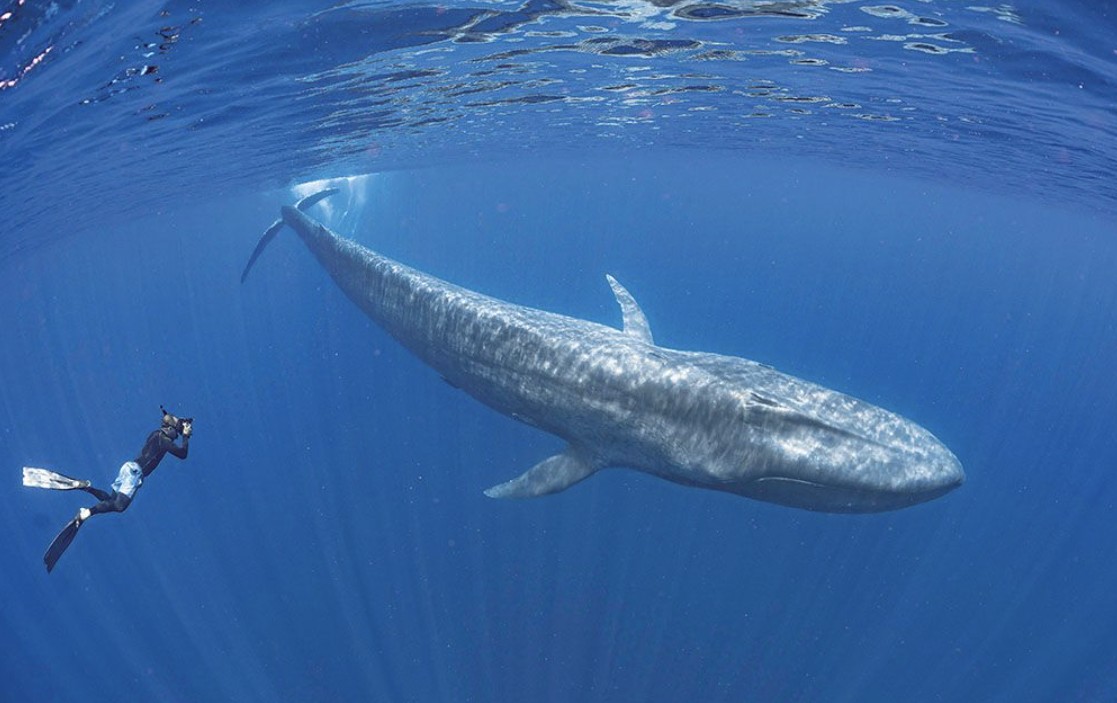
Region: Indian Ocean, off the south and east coasts of Sri Lanka
Sri Lanka is often described as one of the world's most reliable places to see blue whales, thanks to deep water very close to shore and a long migration window.
Why whale-watchers love Sri Lanka
- The IWC Whale Watching Handbook notes that blue whales are the primary target species, especially off Mirissa (southwest) and Trincomalee (northeast).
- Blue whales come close to the continental shelf edge, meaning you often see them within a few hours of leaving port rather than after a huge crossing.
- Trips frequently encounter sperm whales, Bryde's whales and large dolphin pods as well.
- For sheer number of blue whale trips run per season, Sri Lanka is hard to beat.
Best blue whale seasons in Sri Lanka (2026)
Different coasts peak at different times, which is a big advantage:
Mirissa (southwest)
- Blue whales are commonly seen November/December–April, with many sources highlighting December–March as prime time.
Trincomalee (northeast)
- Good whale watching around March–July, often framed as May–September peak for calm seas and sperm/blue whale sightings.
- Several guides note February–mid-March as a particularly strong window for blue whales overall.
In practice, if you're planning early 2026:
- Aim for Mirissa in Jan–March 2026, or
- Trincomalee in May–July 2026 if you prefer the east coast.
What whale-watchers need to know
- Boats range from small 6-person vessels to large double-deckers with 100+ passengers, and quality varies a lot.
- Some operators are excellent; others have been criticized for crowding whales or speeding too close. Look for companies that explicitly follow IWC / local guidelines and avoid "swim with blue whales" offers.
- The sea can be rougher later in the morning, so early starts (around 6:30–7:00 a.m.) are standard and usually give calmer conditions.
Sri Lanka is ideal if you want a higher probability of seeing a blue whale and also care about combining it with tropical travel and other wildlife.
#1 Loreto & the Sea of Cortez, Mexico – Classic Blue Whale Hotspot
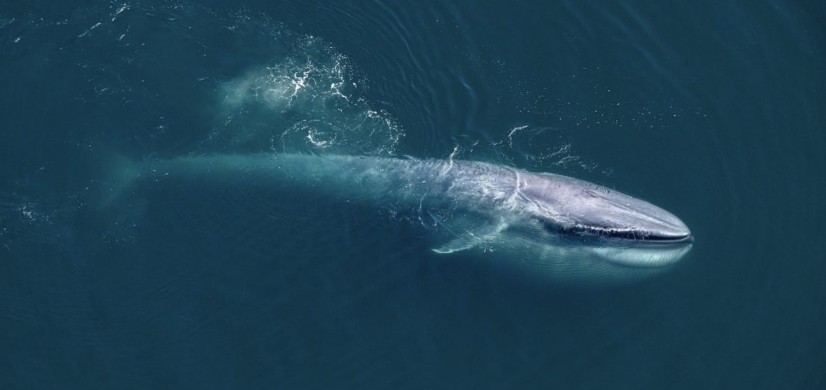
Region: Baja California Sur, Mexico (Loreto Bay National Park / Gulf of California)
Marine scientists and conservation groups consistently highlight the Sea of Cortez around Loreto as one of the world's best places to see blue whales.
Why whale-watchers love Loreto
- The Gulf of California is an important winter feeding and calving area for Northeastern Pacific blue whales that feed off the US West Coast in summer.
- Around Loreto, blue whales gather in nutrient-rich channels between volcanic islands in Loreto Bay National Park, a UNESCO World Heritage Site.
- Day trips regularly report multiple blue whales in a single outing, plus fin whales, humpbacks, dolphins, sea lions and seabirds.
- It's one of the few places where you're not just hoping for "a blue whale" but genuinely working an area they use heavily every year.
Best blue whale season in Loreto (2026)
Recent operator and research reports show:
- Blue whales are typically present January–April, with peak sightings in February–March.
- Patterns vary year to year with food and climate, but planning Loreto for mid-Feb to mid-March 2026 gives you excellent odds.
What whale-watchers need to know
- Trips are usually half or full days in small boats (pangas) or slightly larger vessels, often inside the national park.
- Sea conditions can still be choppy; motion sickness meds are smart even though you're in a gulf.
- Mexico has whale-watching regulations (distance, approach rules), but operator behavior varies—choose companies that emphasize ethical, non-chase encounters.
If you want one primary destination for blue whales in 2026, Loreto is an excellent anchor point.
Other Places You Might See Blue Whales
If you're flexible and already visiting these regions, they're also worth a look:
- Chile (Corcovado Gulf): The food-rich waters around northern Patagonia offer a seasonal refuge where blue whales feed and nurse calves January–April. This is a more remote, expedition-style destination with stunning scenery—snowy peaks, islands and fjords.
- Gulf of St. Lawrence, Canada (Saguenay–St. Lawrence Marine Park): Blue whales are among several species seen May–October in rich feeding grounds.
- Costa Rica Dome (off Central America): A pelagic upwelling area where blue whales feed offshore Feb–April, usually accessed on specialist marine expeditions rather than simple day trips.
These are more niche or expeditionary, but they're on the global blue whale map.
Responsible Blue Whale Watching (Important in 2026 and Beyond)
Blue whales are still endangered in most populations, and pressure from ship strikes, entanglements, noise and climate-driven food shifts is increasing. Recent management actions like gear closures to protect humpbacks and other whales off California show how active this issue is.
Wherever you go, look for operators who:
- Keep slow speeds near whales and avoid sudden approaches or chasing behavior.
- Respect minimum distances and time limits around each animal or group.
- Limit the number of boats with a whale at one time and communicate with other vessels.
- Participate in photo-ID or research projects, or follow guidelines from bodies like the IWC.
And as a passenger, your job is simple:
- Stay on the boat (no "swimming with blue whales")
- Keep noise low when close to animals
- Be okay with backing off if the whale shows avoidance or stress
Choosing ethical operators is one of the most direct ways you can support blue whales while still getting to see them.
Planning Your 2026 Blue Whale Trip – Quick Cheat Sheet
If you just want a fast planning summary for where to see blue whales in 2026:
#1 Loreto, Mexico (Sea of Cortez)
- When: Feb–March 2026
- Why: One of the highest-probability blue whale spots on Earth, in a compact marine park
#2 Sri Lanka (Mirissa & Trincomalee)
- When: Mirissa Dec–March, Trincomalee May–July 2026
- Why: Long season, frequent blue whale sightings, warm tropical conditions
#3 Azores, Portugal
- When: Late March–May 2026 (aim for April–early May)
- Why: Spring migration of blue and other great whales through a mid-Atlantic island chain
#4 California, USA (Monterey & SoCal)
- When: June–September 2026 (July–August peak)
- Why: West Coast feeding grounds, good if you're already in North America
#5 Iceland (Húsavík)
- When: Late June–July 2026
- Why: Chance of blues plus excellent humpback watching and dramatic Arctic scenery