
Ningaloo Reef is Australia's other world-class reef, and in many ways it's better for diving than the Great Barrier Reef. The reef sits right off the beach (sometimes just 100 meters from shore), the water is exceptionally clear and the marine life includes whale sharks, manta rays, humpback whales and healthy coral systems that haven't suffered the same bleaching events as the east coast.
This guide covers where to dive Ningaloo in 2026: which sites deliver the best experiences, what you'll see at each spot, when to go for specific marine life and whether you need a boat or can dive from shore.
Why Dive Ningaloo Instead of the Great Barrier Reef?
Most international visitors head straight to the Great Barrier Reef. Ningaloo gets a fraction of the traffic, which is part of what makes it special:
- Reef access from shore. At many points along the Ningaloo coast, you can walk off the beach and be on healthy coral reef within minutes. No expensive boat trip required.
- Whale shark capital of Australia. Ningaloo is the most reliable place in the country to swim with whale sharks. The season runs March through July, with peak encounters in April and May.
- Manta ray aggregations. Large numbers of manta rays feed in the area from May through November, with some sites offering almost guaranteed sightings.
- Less bleaching damage. Ningaloo's cooler currents have protected it from the worst coral bleaching. The reef is in significantly better shape than many Great Barrier Reef sections.
- Fewer crowds. Even in peak season, you won't encounter the boat traffic and diver numbers that characterize popular GBR sites.
How This Guide Ranks Ningaloo Dive Sites
Each site is evaluated on:
- Marine life: Diversity, megafauna potential, fish populations
- Coral health: Coverage, variety, overall reef condition
- Visibility: Typical water clarity
- Accessibility: Shore dive vs boat, difficulty level
- Uniqueness: What makes this site special compared to others
We'll count down from #5 to #1, ending with the single best dive site in the Ningaloo region.
Get access to Ningaloo dive spots and tour information first

#5 Turquoise Bay - Shore Diving at Its Finest
Region: Cape Range National Park, central Ningaloo coast
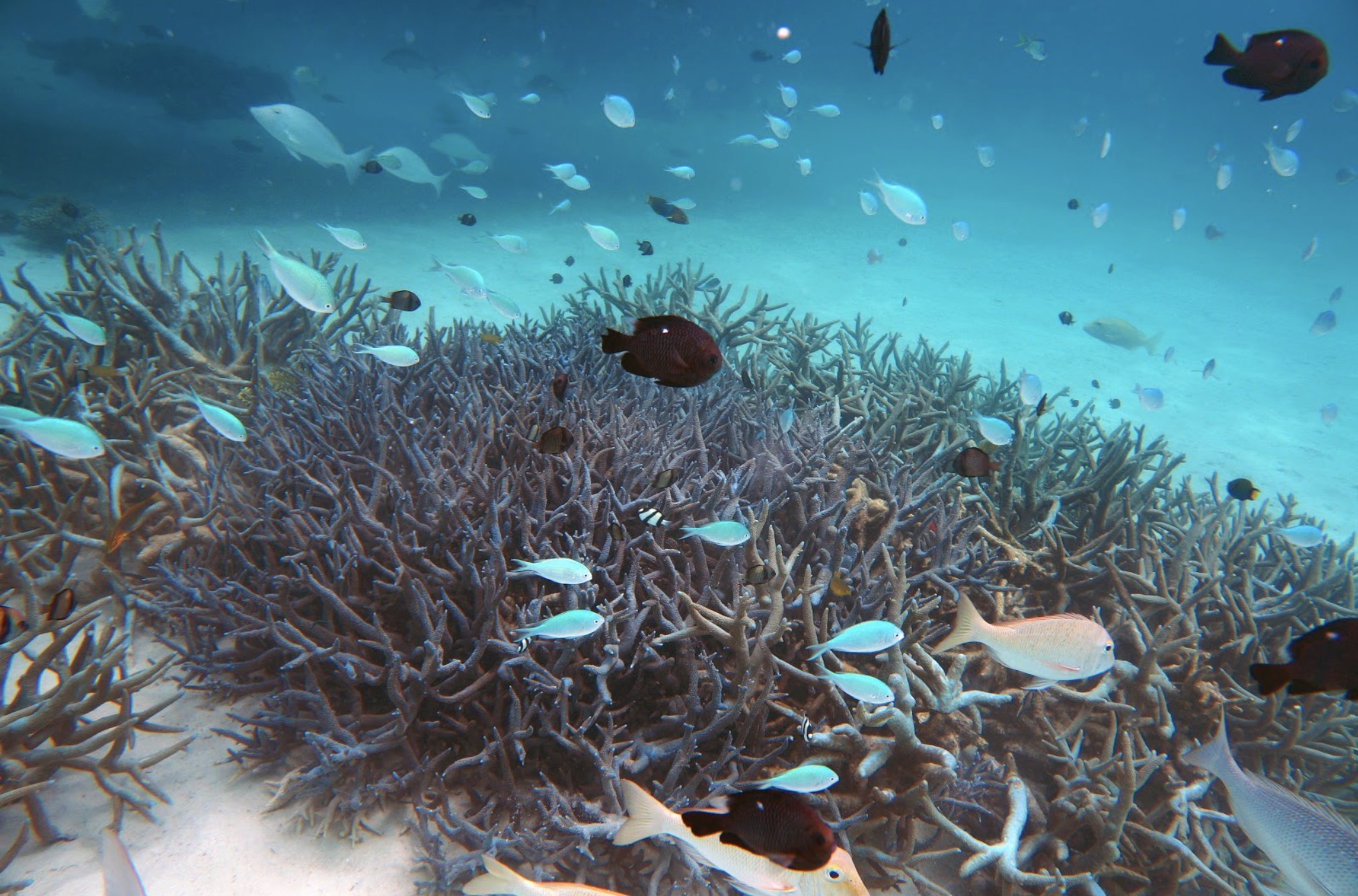
Turquoise Bay is famous for snorkeling, but it's also an excellent shore dive for those who want easy reef access without a boat. The drift dive along the southern end of the bay takes you over pristine coral gardens with minimal effort.
Why divers love Turquoise Bay
- Shore entry with immediate access to healthy reef. Walk in at the southern end and drift north with the current.
- Exceptional visibility. On calm days, 20+ meters is common.
- Diverse coral coverage with staghorn, plate and brain corals in excellent condition.
- Good fish life including parrotfish, angelfish, butterflyfish and occasional reef sharks.
- Perfect for newer divers or those who want a relaxed, scenic dive without boat logistics.
What divers need to know
- The current can be strong. Drift with it rather than fighting it, and exit at the northern beach before the current sweeps you past the bay.
- Maximum depth is around 5-8 meters over most of the reef, making it more of a shallow reef dive than a deep exploration.
- Very popular with snorkelers, especially midday. Early morning dives have fewer people in the water.
- No facilities at the dive entry point. Bring everything you need.
- National park entry fees apply.
Best for: Divers who want easy shore access to beautiful coral without the commitment of a boat trip.
#4 Lighthouse Bay - Manta Ray Central
Region: North of Coral Bay, accessible by boat
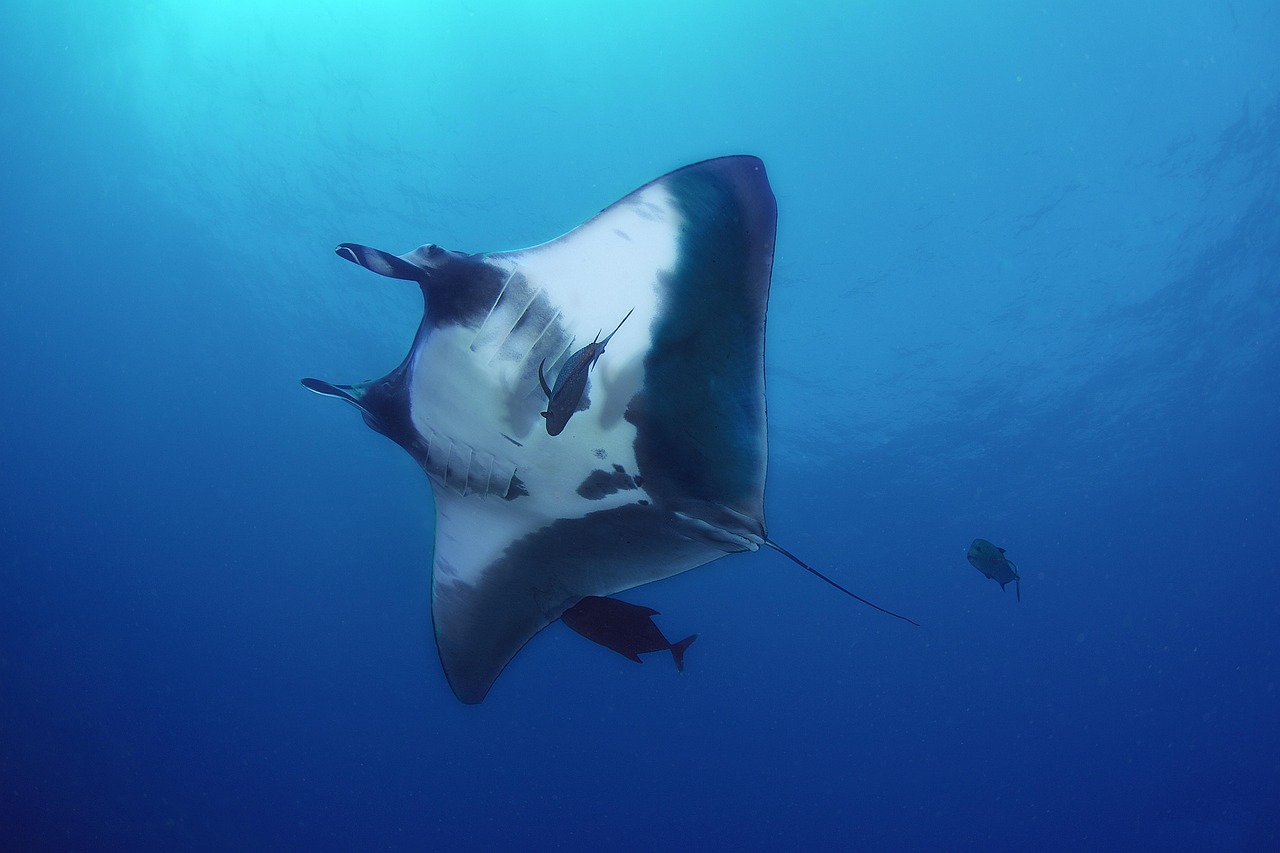
Lighthouse Bay is one of the most reliable manta ray sites in Australia. During the manta season (May through November), these cleaning stations attract large numbers of mantas that come to have parasites removed by cleaner fish. You can spend an entire dive watching mantas circle overhead.
Why divers love Lighthouse Bay
- Manta ray encounters. This is a known cleaning station where mantas return repeatedly. Multiple mantas in a single dive is common during peak season.
- Relatively shallow (8-15 meters) so you can maximize bottom time watching the action.
- Good coral coverage around the cleaning stations, with plenty of reef fish activity.
- Mantas here are accustomed to divers and often approach closely if you stay calm and don't chase them.
- Water is typically calm and clear, making for comfortable diving conditions.
What divers need to know
- Boat access only. Tours depart from Coral Bay and typically visit multiple sites including Lighthouse Bay.
- Manta sightings are seasonal. May through November offers the best odds, with June through September being peak months.
- Patience is key. Position yourself near a cleaning station, stay still and let the mantas come to you. Chasing them guarantees they'll leave.
- Outside manta season, this is still a decent dive site but loses its main attraction.
- Bring a camera. The manta encounters here are some of the most photogenic in Australia.
Best for: Divers who want reliable manta ray encounters in a comfortable, shallow setting.
#3 The Labyrinth - Swim-Throughs and Coral Canyons
Region: Offshore from Coral Bay, boat access
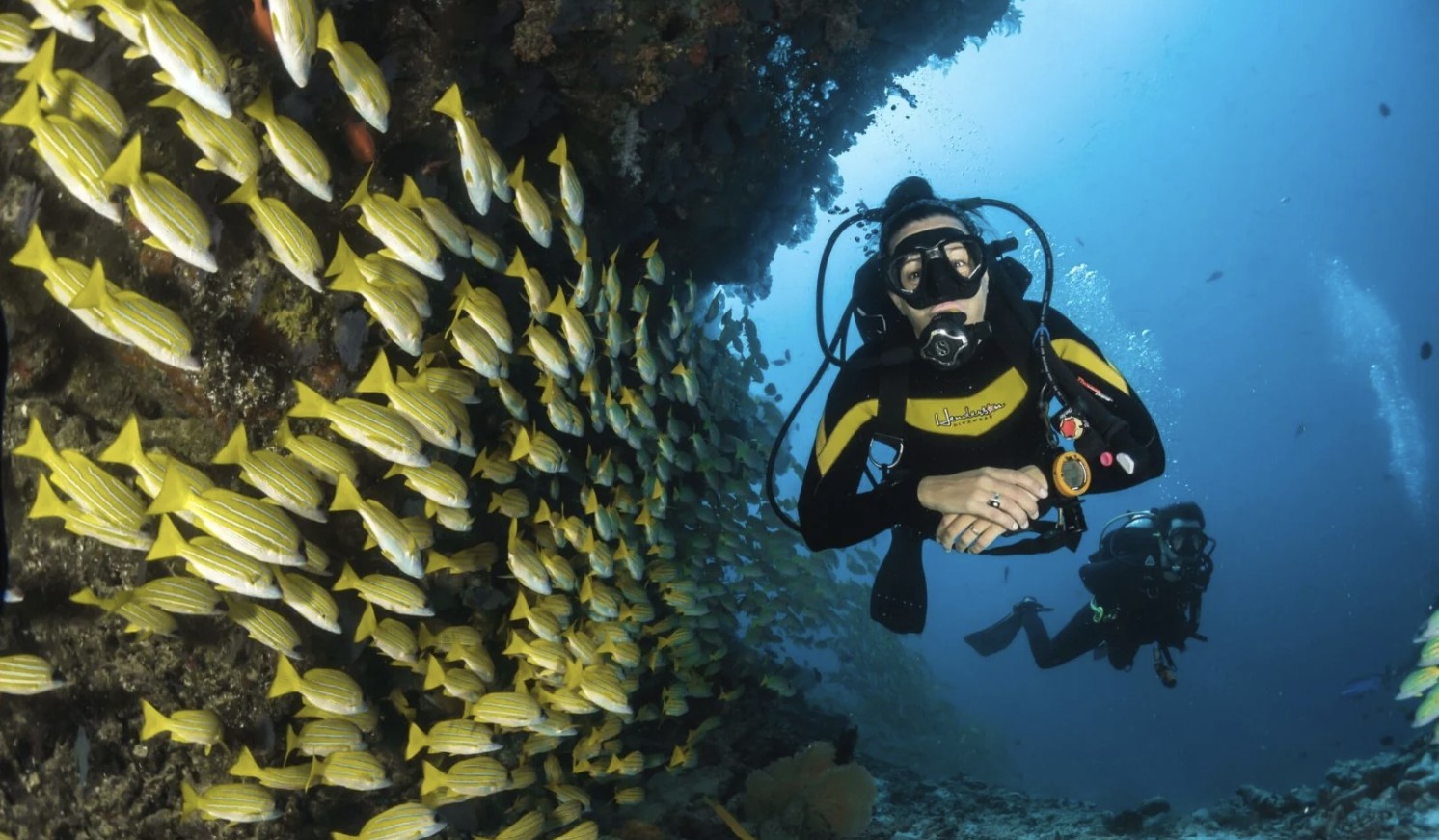
The Labyrinth is exactly what it sounds like: a maze of coral bommies, swim-throughs and channels that create one of the most interesting underwater topographies at Ningaloo. It's the kind of dive where you can explore a different route every time.
Why divers love The Labyrinth
- Complex reef structure with swim-throughs, overhangs and channels to explore.
- Excellent for underwater photography. The light filtering through gaps in the reef creates dramatic shots.
- High fish density. The structure provides habitat for everything from tiny nudibranchs to large groupers.
- Good chance of seeing reef sharks, especially white-tip and grey reef sharks patrolling the channels.
- Depth range of 8-18 meters suits most certification levels.
What divers need to know
- Navigation can be tricky. Follow your guide or use a compass. The maze-like structure is part of the appeal but can be disorienting.
- Watch your buoyancy in the swim-throughs. Tight spaces require good control to avoid damaging coral or yourself.
- Currents can affect some areas. Check conditions with your dive operator before descending.
- Boat access only from Coral Bay.
- Multiple dives here don't feel repetitive because you can take different routes each time.
Best for: Divers who enjoy exploration, interesting topography and the thrill of finding their way through reef structures.
#2 Muiron Islands - Remote Reef and Big Fish
Region: 15 km offshore from Exmouth, boat access
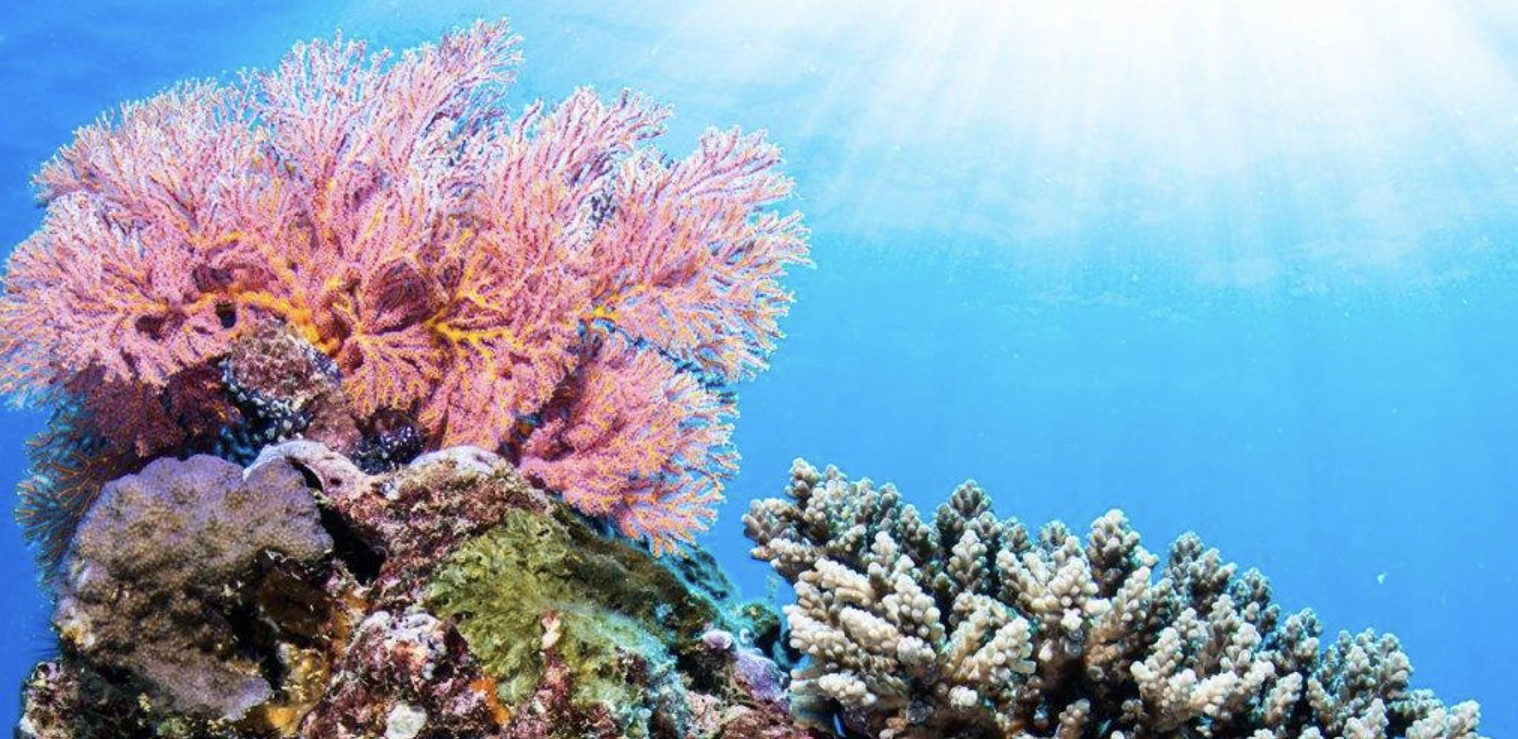
The Muiron Islands sit at the northern tip of Ningaloo Marine Park and offer some of the best diving in the region. The extra distance from shore means fewer divers, healthier reef and bigger fish. If you want to see what Ningaloo looks like with almost no human impact, this is it.
Why divers love the Muiron Islands
- Pristine reef condition. Less diver traffic means the coral here is in exceptional shape. Some of the best hard coral coverage at Ningaloo.
- Big marine life. Grey reef sharks, large groupers, giant trevally and schools of barracuda are common.
- Excellent visibility. Often 25-30+ meters due to the offshore location and clear oceanic water.
- Multiple dive sites around the islands offer variety from walls and drop-offs to coral gardens.
- Whale shark and humpback whale encounters possible during their respective seasons, as animals pass through on their migrations.
What divers need to know
- The boat trip takes 45-60 minutes from Exmouth. This is a full-day commitment.
- Sea conditions can be rougher than closer sites. The crossing is exposed to open ocean swells.
- Limited operators run trips to the Muirons, so book in advance during peak season.
- Currents can be stronger than inner reef sites. Intermediate experience recommended.
- Worth the extra effort if you want to see Ningaloo's most pristine diving.
Best for: Experienced divers seeking pristine reef, big marine life and a genuine remote diving experience.
#1 Navy Pier - Australia's Best Shore Dive
Region: Exmouth, shore dive with restricted access
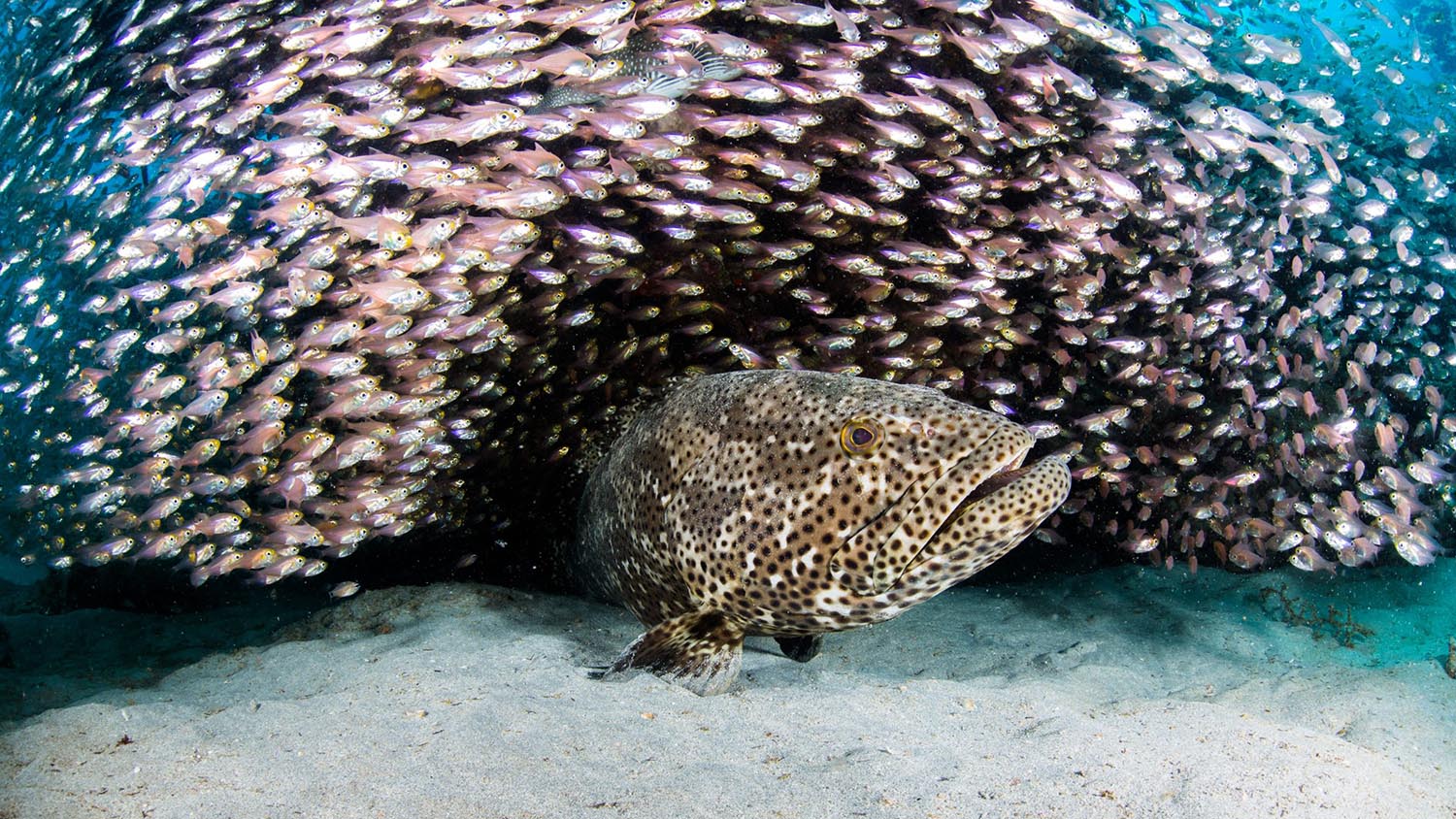
Navy Pier consistently ranks as one of the top 10 shore dives in the world, and it lives up to the hype. The pier pilings have become artificial reef structures absolutely packed with marine life. The combination of easy access, incredible biodiversity and unique underwater scenery makes this the best dive at Ningaloo.
Why divers love Navy Pier
- Unmatched biodiversity. Over 200 species of fish have been recorded here. The density of marine life is staggering.
- Shore dive. Walk in from the beach, no boat required.
- Unique environment. The pier pilings are encrusted with soft corals, sponges and invertebrates. Giant groupers, wobbegong sharks, octopus and nudibranchs are all regular sightings.
- Excellent macro diving. The pilings host incredible small creatures for photographers who like to look closely.
- Grey nurse sharks and large schools of fish congregate around the structure.
- Night dives here are legendary. Different species emerge after dark, including hunting octopus and bioluminescent creatures.
What divers need to know
- Access is restricted. The pier is on Defence Department land and you must book through a licensed dive operator. Walk-up diving is not permitted.
- Dive numbers are limited. Book well in advance, especially during peak season (April through October).
- The site is shallow (6-12 meters) so air consumption isn't an issue. You'll want to take your time and look closely at everything.
- Can be surgy in certain conditions. Check with operators about current conditions before your dive.
- Night dives require separate booking and are highly recommended if available.
Best for: Any diver who wants to experience one of Australia's most celebrated dive sites. Don't miss it.
Best Time to Dive Ningaloo
Ningaloo is diveable year-round, but different seasons offer different highlights:
- March through July: Whale shark season. This is peak time for swimming with the world's largest fish. April and May typically have the highest encounter rates.
- May through November: Manta ray season. Large aggregations of mantas feed and visit cleaning stations. June through September is peak.
- July through October: Humpback whale season. Whales migrate along the coast and in-water encounters are increasingly offered by licensed operators.
- Year-round: Reef diving is consistent. Coral and reef fish don't migrate, so sites like Navy Pier and the Labyrinth deliver any time of year.
Water temperature: Ranges from 21°C (70°F) in winter (June-August) to 28°C (82°F) in summer (December-February). A 3-5mm wetsuit is recommended year-round.
Diving Logistics at Ningaloo
Getting there
Ningaloo stretches along the coast of Western Australia's North West Cape. The two main access points are:
- Exmouth: Northern end of the reef. Access to Navy Pier, Muiron Islands and northern reef sites. Flights from Perth take about 2 hours.
- Coral Bay: Southern section of the reef. Access to Lighthouse Bay, The Labyrinth and whale shark tours. About 1.5 hours drive south of Exmouth.
Dive operators
Both towns have multiple dive operators offering shore dives, boat dives and pelagic encounters. Key things to look for:
- Navy Pier access (only certain operators have permits)
- Small group sizes for pelagic encounters
- Muiron Islands trips if you want remote diving
- Night dive availability
What to bring
- Wetsuit: 3-5mm depending on season and your cold tolerance.
- Reef-safe sunscreen: Required in the marine park.
- Camera: The marine life here is exceptional. Macro setups work brilliantly at Navy Pier.
- Surface marker buoy: Essential for drift dives and offshore sites.
Summary. Planning Your Ningaloo Diving Trip
If you're planning to dive Ningaloo in 2026:
- Best overall site: Navy Pier. Book early as spots fill up quickly.
- Best for mantas: Lighthouse Bay during May through November.
- Best for pristine reef: Muiron Islands if you have time for the boat trip.
- Best for exploration: The Labyrinth for swim-throughs and interesting topography.
- Best shore dive (besides Navy Pier): Turquoise Bay for easy access to healthy coral.
Ningaloo delivers diving experiences that rival anywhere in Australia. The combination of accessible reef, megafauna encounters and genuinely healthy coral makes it worth the journey to Western Australia's remote coast.